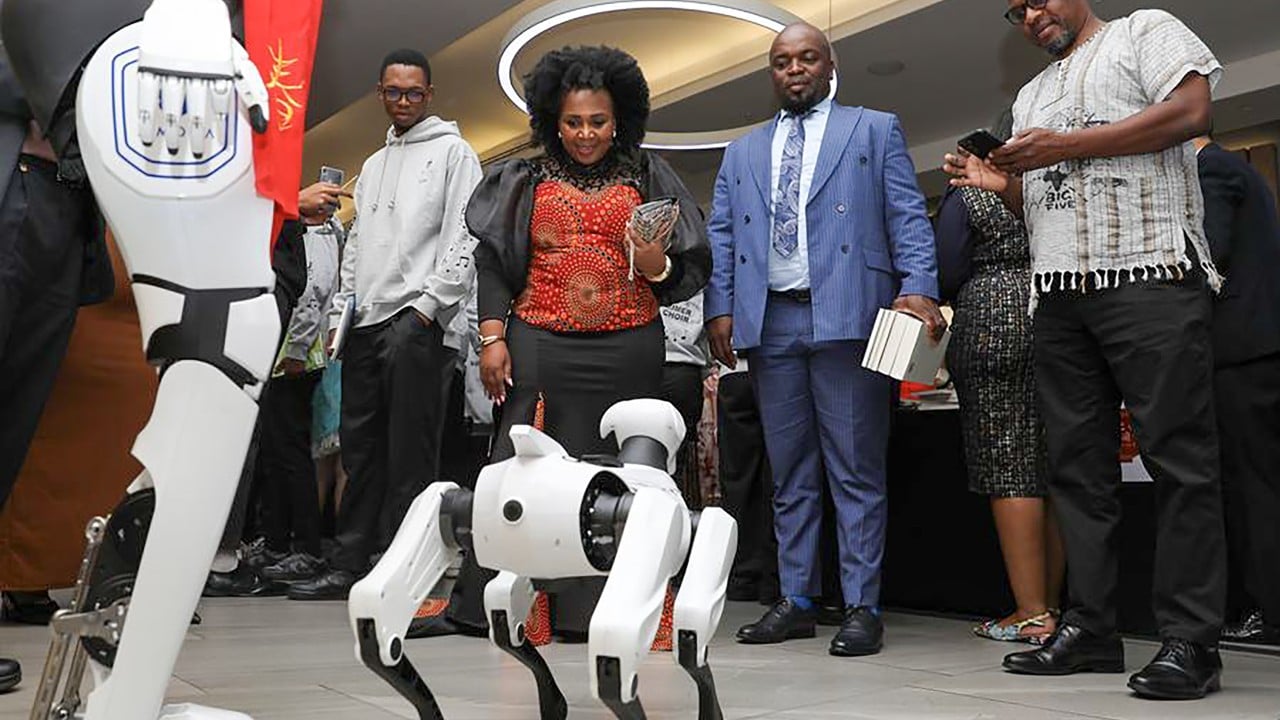
Flashy demonstrations of synchronized dancing robots have become a staple of China’s high-tech expos and diplomatic summits. Behind the viral videos of mechanical acrobatics and smooth routines lies a serious commercial push. Beijing is actively deploying its advanced hardware as a vanguard for economic diplomacy, hoping that state-of-the-art automation can help secure fresh business partners across Africa. But winning applause on a trade show floor is vastly different from signing long-term manufacturing and industrial contracts.
The Soft Power Play Behind the Hardware
For years, the narrative surrounding China-Africa trade centered heavily on hard infrastructure. Think railways, highways, ports, and power grids financed by state loans. Today, that script is shifting toward advanced technology, green energy, and artificial intelligence.
When delegations showcase humanoid robots executing backflips, serving tea, or moving in rhythm with traditional performers, the message is clear. It tells emerging economies that China isn't just a supplier of cheap consumer goods or heavy civil construction. It positions Beijing as an innovative tech partner capable of leading the next industrial wave.
Yet, economic analysts point out a glaring disconnect. A high-maintenance, delicate humanoid machine that costs tens of thousands of dollars doesn't immediately solve the practical, pressing operational challenges faced by everyday businesses in developing markets.
Can High Tech Meet Pragmatic Demand?
African markets are diverse, with unique infrastructural realities. Power grids can be unstable, industrial supply chains are often fragmented, and basic logistics demand rugged, reliable tools rather than sophisticated laboratory curiosities.
When a factory owner in Nairobi or Lagos evaluates a partnership, the decision usually comes down to three basic metrics:
- Direct return on investment
- Ease of local maintenance
- Resilience against harsh environmental factors
A dancing bipedal robot fails nearly all these tests on day one. It requires cleanrooms, specialized engineering oversight, and massive software updates. Because of this, many regional trade experts argue that these tech spectacles function more as marketing theater for domestic audiences and Western competitors than as practical export products tailored for the Global South.
What Beijing is Actually Exporting
While humanoid robots grab the media headlines, the actual commercial engine driving modern trade relations tells a different story. Industrial automation, surgical robotics, electric vehicles, and solar infrastructure are quietly capturing real market share across developing economies.
Chinese manufacturing firms are aggressively pursuing global expansion strategies, often referred to locally as Chuhai. Rather than shipping expensive novelty items, successful companies focus on localized joint ventures, technology transfer programs, and affordable agricultural or light-industrial machinery.
For instance, smart agricultural robots designed to monitor crop yields or automate basic farming tasks resonate far better with African agricultural cooperatives than a bipedal robot doing a routine on a stage. Practical utility always wins over aesthetic novelty in business negotiations.
The Reality of Global Tech Competition
The broader geopolitical theater makes these flashy demonstrations even more calculated. As Washington implements tighter export controls and targeted bans on advanced tech components, Chinese robotics startups are forced to diversify their customer base. Emerging markets represent a crucial buffer against tightening Western trade barriers.
However, selling high-tech automation requires building local trust and technical ecosystems from the ground up. You can't just drop a complex machine into a new market without local repair technicians, software engineers, and stable supply chains.
If Chinese firms want these technological displays to translate into actual partnership deals, they will need to pivot from showcasing what machines can do for the cameras to proving what they can save on a factory ledger. Until then, the dancing robots remain a brilliant piece of diplomatic theater—entertaining to watch, but a long way from sealing the deal.