International law is having a very public reckoning. When the Norwegian Nobel Committee awarded the 2026 Nobel Peace Prize to Navanethem "Navi" Pillay, it wasn't just a polite nod to a long career in jurisprudence. It was a direct, unapologetic middle finger to the coordinated political campaigns trying to neuter global courts.
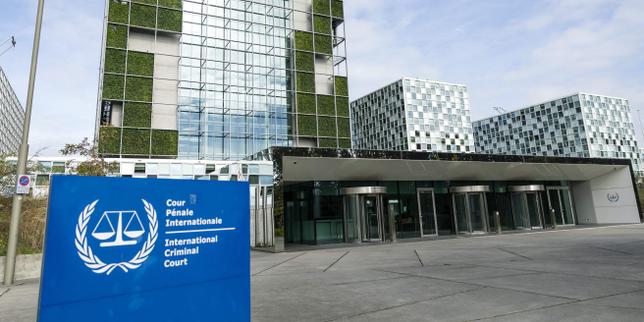
If you've been paying attention to how major world powers treat international accountability, you know the stakes. For years, Washington and its allies have leaned heavily on economic coercion, political pressure, and outright sanctions against bodies like the International Criminal Court. They want international justice when it punishes their enemies, but total immunity when it touches their friends. Navi Pillay has spent her entire life refusing to play that game.
From Durban to Nuremberg
Pillay heard the news while standing inside historic Courtroom 600 of the Nuremberg Palace of Justice in Germany—the exact room where Nazi war criminals were tried. You couldn't script a more poetic setting for an 85-year-old jurist who has spent decades fighting impunity.
Born in 1941 in Durban, South Africa, Pillay's path to global human rights icon wasn't handed to her. Growing up in a working-class family under the brutal constraints of apartheid, she faced steep systemic barriers as a woman of Indian origin. She didn't just study the law; she weaponized it for the oppressed. In her early career, she defended anti-apartheid activists, exposed police brutality, and represented Nelson Mandela's associates.
When South Africa transitioned to democracy, Mandela himself appointed her to the High Court. That was just the warm-up act. She went on to shatter glass ceilings across the highest levels of global justice.
The Woman Who Refused to Blink
Pillay's resume reads like a masterclass in institutional courage:
- Served as a judge on the International Criminal Court (ICC).
- Presided over the International Criminal Tribunal for Rwanda (ICTR), helping establish critical legal precedents holding leaders accountable for genocide and sexual violence as a weapon of war.
- Held the post of United Nations High Commissioner for Human Rights from 2008 to 2014, where she routinely infuriated powerful nations by calling out double standards on human rights.
- Chaired the UN Independent International Commission of Inquiry on the Occupied Palestinian Territory, which concluded that Israel committed genocide in Gaza.
That last point is precisely why her Nobel win is causing such deep discomfort in Western capitals. Pillay has never flinched from applying international law universally, regardless of who is in the crosshairs. When the United States slapped sanctions on the ICC or when leaders dismissed international findings as politically motivated, Pillay called them out directly. She famously criticized political interference, pointing out that peace cannot survive when powerful states demand exceptions for themselves.
Why This Nobel Win Changes the Conversation
The timing of this prize matters immensely. We are living through a period where multilateral institutions are fraying at the edges. Authoritarian leaders and democratic superpowers alike routinely ignore global rulings when it suits their geopolitical interests. By honoring Pillay, the Nobel Committee sent a sharp reminder: the architecture of global peace depends entirely on independent courts that answer to the law, not to the whims of the powerful.
Pillay put it best herself in Nuremberg: efforts to weaken international criminal justice endanger the progress made since World War II, risking a return to a world where raw power dictates whose suffering actually matters.
The establishment spent years trying to sideline jurists who push for genuine global accountability. Right now, they're realizing that moral clarity still packs a heavy punch.