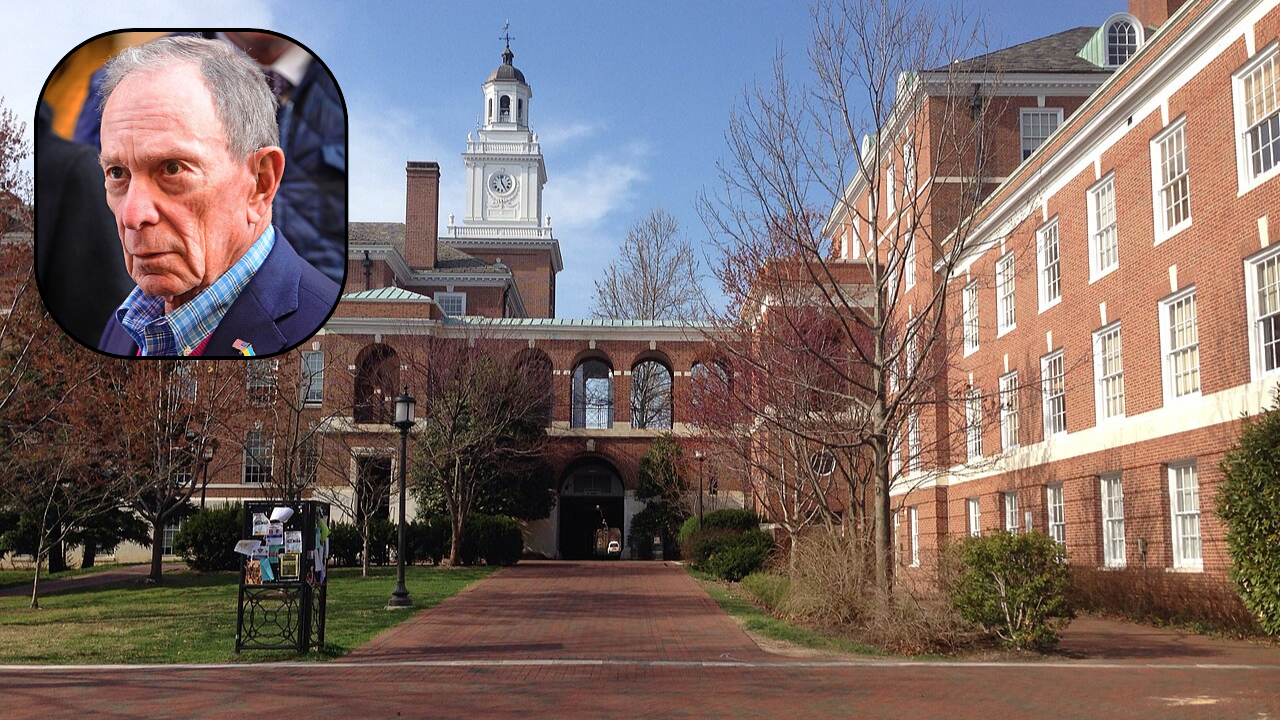
Medical school debt has driven generations of doctors toward high-paying specialties just to survive their loans. Then Michael Bloomberg wrote a check that completely altered the equation.
When Bloomberg Philanthropies announced a $1 billion donation to Johns Hopkins University, it did more than just fund another university wing. It wiped out tuition for medical students coming from families making under $300,000. It also covered living expenses for those below the $175,000 threshold. If you've watched talented friends abandon primary care or research because they owed upwards of $300,000 in student loans, you know why this matters.
The Real Cost of Becoming a Doctor
Let's look at the numbers. The average graduating medical student routinely carries hundreds of thousands of dollars in debt. That kind of financial pressure shapes career choices before a doctor even sets foot in a hospital. When you owe a mortgage-sized debt balance at age twenty-six, pediatric and family medicine jobs don't pay the bills fast enough.
Bloomberg understood this firsthand. Back when he attended Johns Hopkins in 1964, he relied on federal scholarships and campus jobs to scrape by. Decades later, his foundation targeted graduate education to fix a broken pipeline. His earlier $1.8 billion gift in 2018 eliminated loan requirements for undergraduates. The $1 billion injection in 2024 took that exact philosophy and applied it to advanced degrees, with a massive focus on medicine. For another look on this story, check out the recent update from Everyday Health.
How the Johns Hopkins Aid Package Works
The math behind the Johns Hopkins School of Medicine financial restructuring is surprisingly broad. The $300,000 family income ceiling captures roughly 95 percent of American households.
- Under $300,000: Full tuition coverage for medical students.
- Under $175,000: Full tuition plus stipends for living costs, fees, and housing.
Around two-thirds of incoming medical students qualify for one of these tiers. This isn't just about handing out free rides to wealthy elites or lottery winners. It specifically targets middle- and lower-income families who otherwise view medical school as an impossible financial gamble.
Beyond Medicine: The Ripple Effect on Graduate Programs
The $1 billion gift didn't stop at the hospital doors. Johns Hopkins distributed the money across multiple graduate divisions. Nursing students, public health researchers, engineers, and education majors all saw expanded financial support.
Think about public health and nursing. These sectors face massive workforce shortages, yet they historically pay significantly less than surgical specialties. By backing these fields with need-based scholarships and fully funded PhD fellowships, the university can pull in brilliant minds who would normally get priced out of advanced graduate work.
What This Means for the Future of Healthcare
Will other universities follow suit? They have to. When top-tier institutions start offering debt-free medical degrees to 95 percent of families, competing schools face brutal recruitment pressure. Students aren't going to choose a school saddling them with lifetime debt if they can win a spot at a tuition-free powerhouse.
This shift might finally push brilliant students into low-margin specialties like geriatrics, pediatrics, and public health research. Medicine needs people driven by curiosity and care, not balance sheets. Michael Bloomberg bought a blueprint for fixing medical education. Now the rest of the country has to catch up.