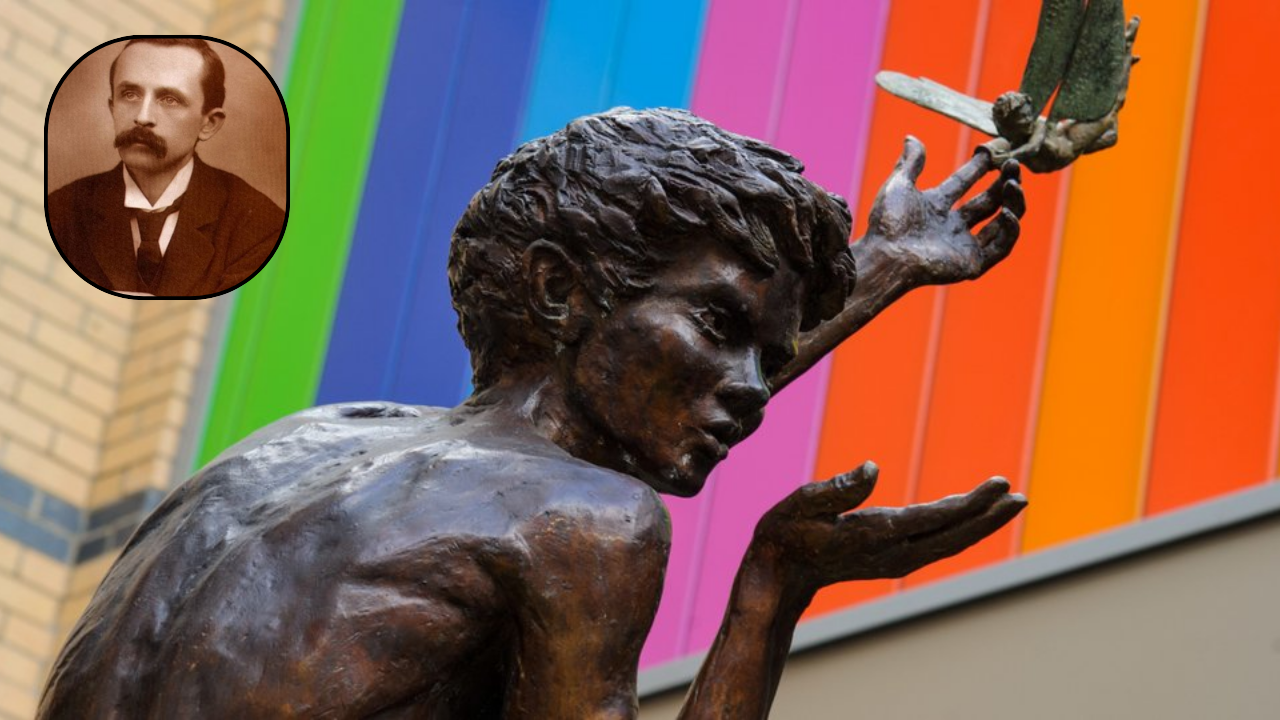
Most authors cling to their copyrights like misers guarding gold. J. M. Barrie did the exact opposite. Back in 1929, the Scottish playwright handed all rights to Peter Pan over to Great Ormond Street Hospital, a London institution that desperately needed cash. It sounds like a romantic gesture straight out of a storybook. But looking at it today, it stands as one of the most brilliant and enduring philanthropic arrangements ever conceived.
Nearly a century later, that single signature keeps paying out. Seriously ill children in London still benefit from ticket sales, stage adaptations, and licensing agreements tied to the boy who wouldn't grow up. If you've ever wondered how a fictional character can fund real-world pediatric medicine for close to a hundred years, the answer involves a mix of theatrical tradition and a very unusual piece of British legislation.
How a Hospital Visit Changed Everything
Barrie didn't just wake up one morning and decide to hand over a multi-million-pound cash cow. His relationship with Great Ormond Street Hospital ran deep. He had quietly supported the institution for years, visiting young patients and taking a personal interest in their care.
When the hospital board invited him in 1929 to help with a committee acquiring land for a brand-new wing, he declined the committee seat. Instead, he chose a far more impactful route. Roughly two months later, the hospital board received word that Barrie had gifted them the entire copyright for Peter Pan.
He left one specific instruction behind. He asked that the exact financial yield of the gift never be made public. To this day, the hospital respects that wish, keeping the total revenue private while using the funds to back its specialist medical work. Barrie understood something crucial about creative property. A pile of money dwindles if you just spend it. A living story regenerates funds every single time a theater curtain goes up.
The Law That Keeps the Magic Alive
Copyrights don't last forever. Normally, intellectual property enters the public domain decades after an author's death, stripping heirs or owners of exclusive royalty streams. Barrie passed away in 1937, which meant standard copyright protections were ticking down toward expiration.
Enter the British Parliament. In 1988, lawmakers carved out a unique statutory provision under the Copyright, Designs and Patents Act. This special clause granted Great Ormond Street Hospital a perpetual right to collect royalties from any public performance, publication, or adaptation of the Peter Pan play within the UK.
You won't find many legal carve-outs like this anywhere else in the world. It sets a bizarre and wonderful precedent where an Act of Parliament safeguards a charity's income stream long after normal copyright laws would have thrown the work open to the public. While international rules vary wildly—meaning the story's copyright status depends entirely on the country you are in—the UK law ensures that Britain's performances of Neverland continue to buy medical equipment and fund therapies.
Why This Legacy Still Outlasts Modern Charity Models
Corporate philanthropy today often relies on fleeting social media campaigns, short-term sponsorships, and gala events that cost a fortune to throw. Barrie's model beats them all through pure integration into culture.
Every Christmas season, local amateur dramatic groups, school halls, and professional West End theaters stage Peter Pan. Every single one of those productions triggers a licensing obligation. The charity doesn't need to beg for fresh donations every fiscal quarter because the cultural machine of theater does the heavy lifting for them.
When you look at modern IP management, creators usually fight tooth and nail to keep estates locked down or squeeze every drop of profit into private corporate hands. Barrie's choice proves that art can carry a dual purpose. It can entertain generations of children while simultaneously paying for the medical treatment of others.
The boy who refused to grow up accidentally built a financial engine that refuses to stop working.