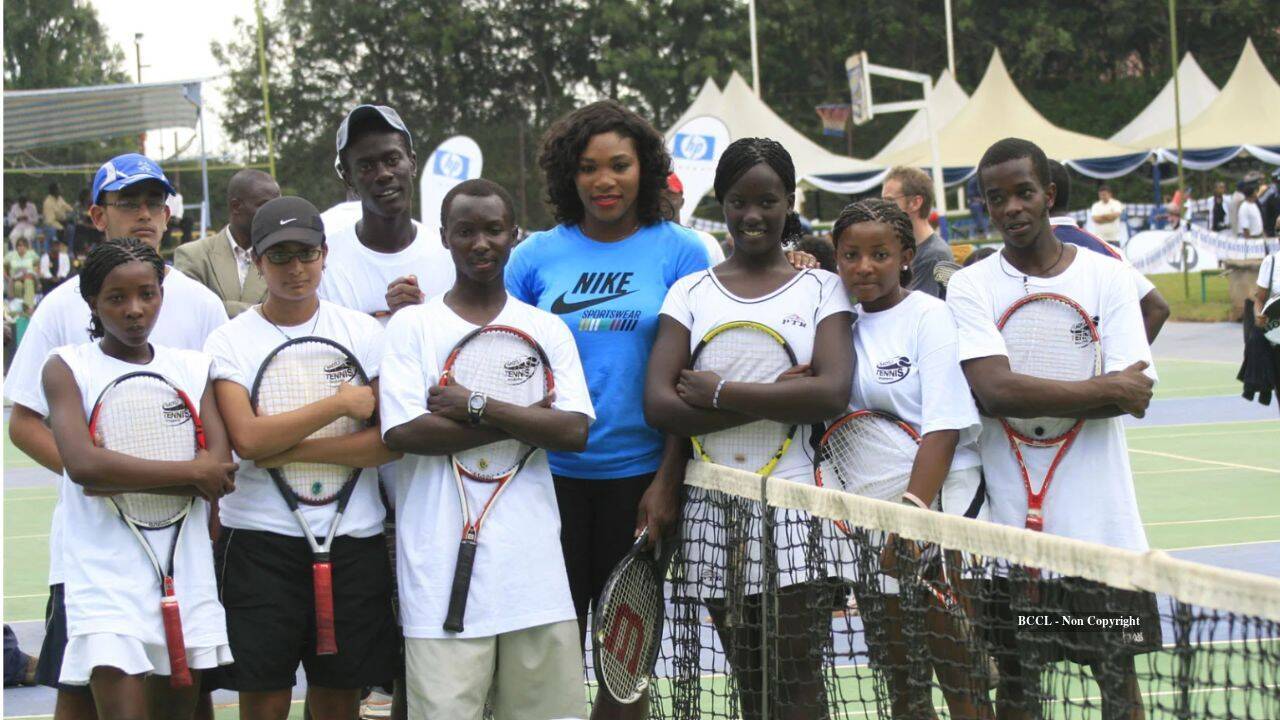
We judge public figures by what they amass on paper. Trophies, net worth, and record-breaking stats dominate the headlines. But the real measure of an icon often hides in the work they do when the stadium lights go out. In February 2016, Serena Williams traded her tennis gear for work boots, heading straight into the sun-drenched parish of Trelawny, Jamaica. She wasn't there on vacation. She was there to physically help build a school.
Most people remember the Grand Slam titles and the iconic fashion moments. What gets lost in the noise is how athletes choose to spend their influence. The Salt Marsh Basic School project wasn't just a quick photo op with a giant check. It was a gritty, hands-on community build designed to give eighty preschool children a shot at free early education.
Let's look at why this initiative mattered, how it came together, and what it teaches us about authentic philanthropy.
Behind the Bricks of the Salt Marsh Project
Early childhood education in rural Jamaica faces steep hurdles. Too many families lack access to safe, structured preschool facilities that don't charge tuition fees. Without these early learning blocks, kids start their formal education already playing catch-up. For another angle on this development, see the latest coverage from Reuters.
Enter the partnership between the Serena Williams Fund, Helping Hands Jamaica, and Food for the Poor. They didn't just wire funds from overseas. They mobilized a massive ground operation.
The goal was clear. Build a fully functional basic school from the ground up to accommodate about eighty children in the Salt Marsh community. This meant mixing cement, hauling lumber, and laying foundations under a brutal Caribbean sun.
Serena didn't hide in an air-conditioned trailer. She rolled up her sleeves and worked alongside local builders and international volunteers. When an athlete of her magnitude physically picks up tools, the story changes from a standard corporate charity donation into a massive rallying cry for local empowerment.
Star Power Meets Grassroots Labour
Building a school in a rural community requires more than one famous face. The Salt Marsh project drew an eclectic mix of regional icons and international names who wanted to get their hands dirty.
Musicians Shaggy and Sean Paul brought their star power to the site, swapping microphone stands for hammers. Olympic sprinters Yohan Blake and Warren Weir traded the running track for heavy lifting.
This mix of cultural giants and community members created a unique dynamic. Too often, celebrity charity events feel sterile. You see a famous person cutting a ribbon on a finished building they've never stepped foot in before.
The Helping Hands Jamaica model flips that script entirely. They require supporters to travel to the location and work. You build the school you're funding. That hands-on requirement changes how volunteers view community needs. You remember the blisters, the sweat, and the local kids watching you work.
Why Early Education Changes Everything
Eighty children might sound like a small number on paper. In a tight-knit rural community like Trelawny, eighty children represent an entire generation's trajectory.
Free preschool access does three vital things for a neighbourhood:
- It builds foundational literacy, numeracy, and social skills before primary school begins.
- It gives working parents a safe, reliable environment for their toddlers during the day.
- It anchors the community, creating a permanent hub for local families instead of a temporary fix.
Serena's own life story heavily informs her focus on youth and education. Her path to athletic dominance required years of grueling discipline, family sacrifices, and access to training facilities. She knows firsthand what a structured environment can do for a young mind with raw potential. By backing infrastructure projects like Salt Marsh, she helps level the playing field for kids who start with very little.
The Reality of Celebrity Philanthropy
We live in an age of performative giving. A quick Instagram post, a branded hashtag, and a corporate tax write-off often pass for modern charity.
The Salt Marsh build stands out precisely because it refused to take that lazy shortcut. Serena's involvement proved that real impact demands physical presence and long-term commitment. She partnered with organizations that already knew how to build in Jamaica, respecting local expertise rather than trying to dictate terms from Hollywood or Florida.
Building a school for eighty kids won't solve every systemic challenge in the region. Nobody claims it will. But it changes the daily reality for those specific children and their families. It turns empty dirt into a vibrant classroom.
Legacy isn't just about the records you break on a court or the money in your bank account. It's about the physical spaces you leave behind that help others run their own race. Serena Williams left a legacy in Trelawny that outlasts any tennis trophy. It lives in every child walking through the doors of the Salt Marsh Basic School.