Air travel in the Middle East has hit a severe roadblock following a wave of attacks targeting Saudi Arabia's aviation infrastructure. If you're trying to fly into or out of King Khalid International Airport in Riyadh right now, you're likely facing massive delays, sudden cancellations, or complete route suspensions.
The chaos erupted after missile and drone strikes hit major Saudi airports, including Riyadh and Abha. The fallout has paralyzed flight schedules, left hundreds of planes grounded, and forced global carriers to rethink their regional security footprint overnight.
Let's break down what actually happened, which airlines have pulled out, and how you can protect your travel plans right now.
What Happened at King Khalid International Airport
The operational crisis at Riyadh's primary hub intensified rapidly after a series of coordinated strikes. Reports from aviation trackers like Flightradar24 and Cirium confirmed that roughly 300 to 450 flights were either heavily delayed or outright canceled within a 24-hour window. Further insights on this are covered by Condé Nast Traveler.
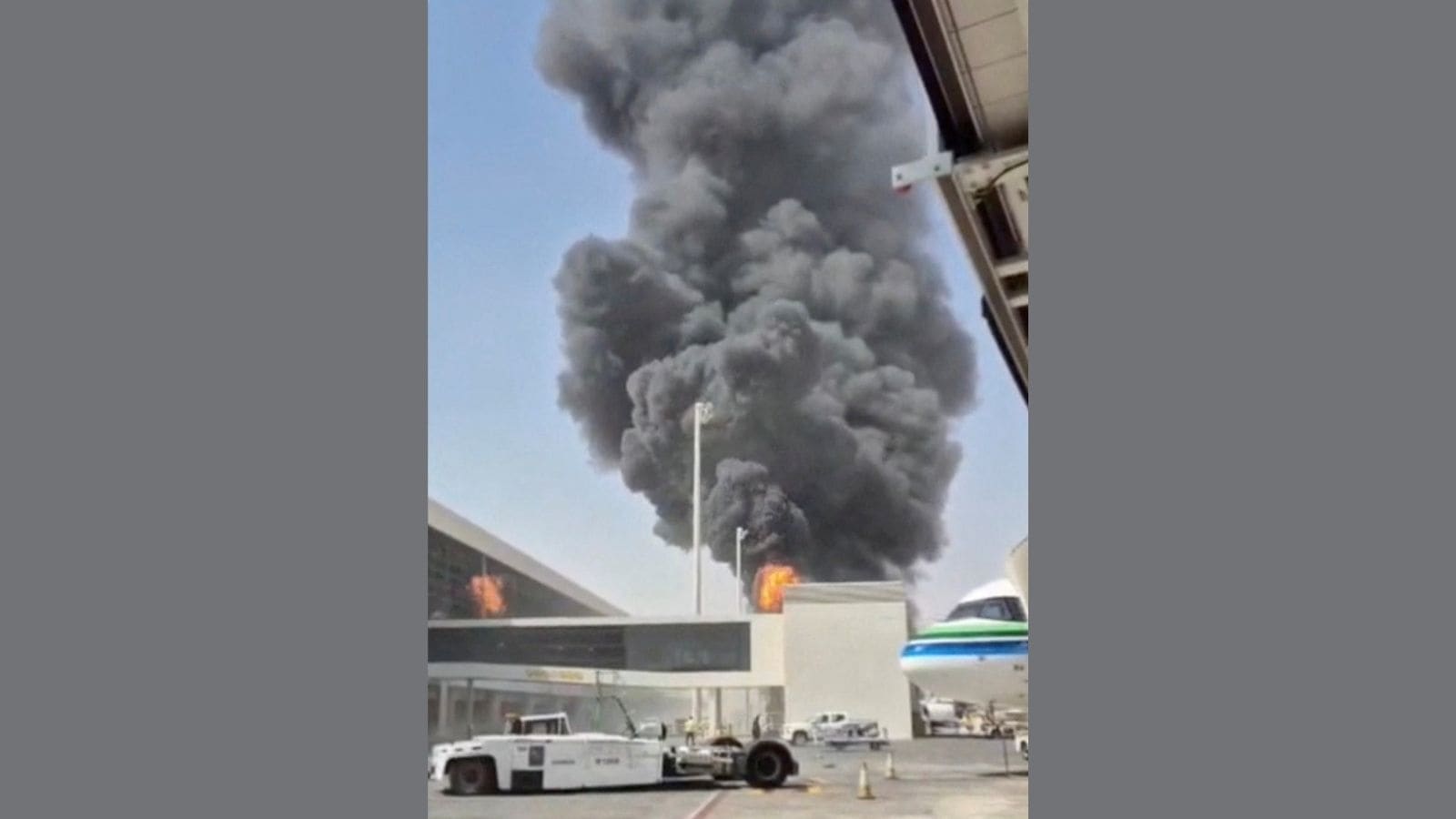
Witnesses and aviation monitors reported smoke rising from a stationary commercial aircraft on the tarmac following explosions near the facility. Emergency services rushed to the scene while terminal areas underwent temporary evacuations.
While Saudi air defense systems intercepted several incoming threats, falling debris and security protocols forced authorities to temporarily shut down airport operations multiple times. These sudden halts created an information vacuum, leaving thousands of passengers stranded in terminals without clear updates from local ground staff.
Which Airlines Have Cancelled Flights to Riyadh
Global carriers didn't wait around for the dust to settle. Within hours of the incident, major international airlines began pulling their services or delaying upcoming route launches to Saudi Arabia.
- Lufthansa Group: Suspended key services to the Saudi capital, citing growing security assessments.
- Air India and IndiGo: Halted multiple regional connections to protect crews and aircraft.
- Singapore Airlines: Took a cautious approach by delaying its highly anticipated Riyadh route launch to March 28.
- Regional Carriers: Budget operators and regional heavyweights like Saudia and Flynas bore the brunt of the schedule cuts, with hundreds of domestic and regional departures scrubbed from the boards.
- Other International Lines: Air France, KLM, Philippine Airlines, and EgyptAir have either paused or heavily curtailed operations until security guarantees stabilize.
If you hold a ticket with any airline operating through Riyadh this week, don't assume your flight is going ahead just because you haven't received an email yet.
What This Means for Your Travel Plans
Airspace security alerts issued by international missions—including the US government warning citizens of potential disruptions—mean that insurance policies, rebooking rights, and cancellation rules are shifting by the hour.
You need to take immediate control of your itinerary if you're caught in this disruption.
Check Flight Status Directly
Flight aggregators are helpful, but airlines update their native apps faster. Log straight into your airline’s portal to check live operational updates rather than trusting third-party screens at the airport.
Know Your Rights
If your flight is canceled due to security closures or operational suspensions, you are legally entitled to a full refund or free rebooking under most international aviation regulations. Do not let gate agents bully you into accepting travel vouchers if you want cash back.
Look Into Alternative Hubs
If you absolutely must travel across the region, expect to reroute through safer alternative hubs outside the immediate conflict zone. Prepare for longer layovers and higher ticket prices as available seats vanish quickly.
The situation in Riyadh remains fluid, and aviation authorities will take days to clear the backlog even after normal operations resume. Keep your notifications turned on, stay flexible, and check your carrier's policy before heading to the airport.