Diplomatic trackers love to count handshakes, but they usually miss the real story. When Chinese President Xi Jinping packed his schedule with high-stakes international meetings throughout September 2026, the global press focused heavily on the optics. We saw red carpets in Cairo, high-level regional summits, and a high-profile state visit to Washington, DC. Yet treating these events as mere photo ops misses how Beijing is actively rewriting its playbook for managing superpowers and regional allies alike.
If you want to understand where global trade and security are heading next, you have to look past the official press releases and examine what these intense negotiations actually yielded.
The Cairo Stopover and Strategic Footprint
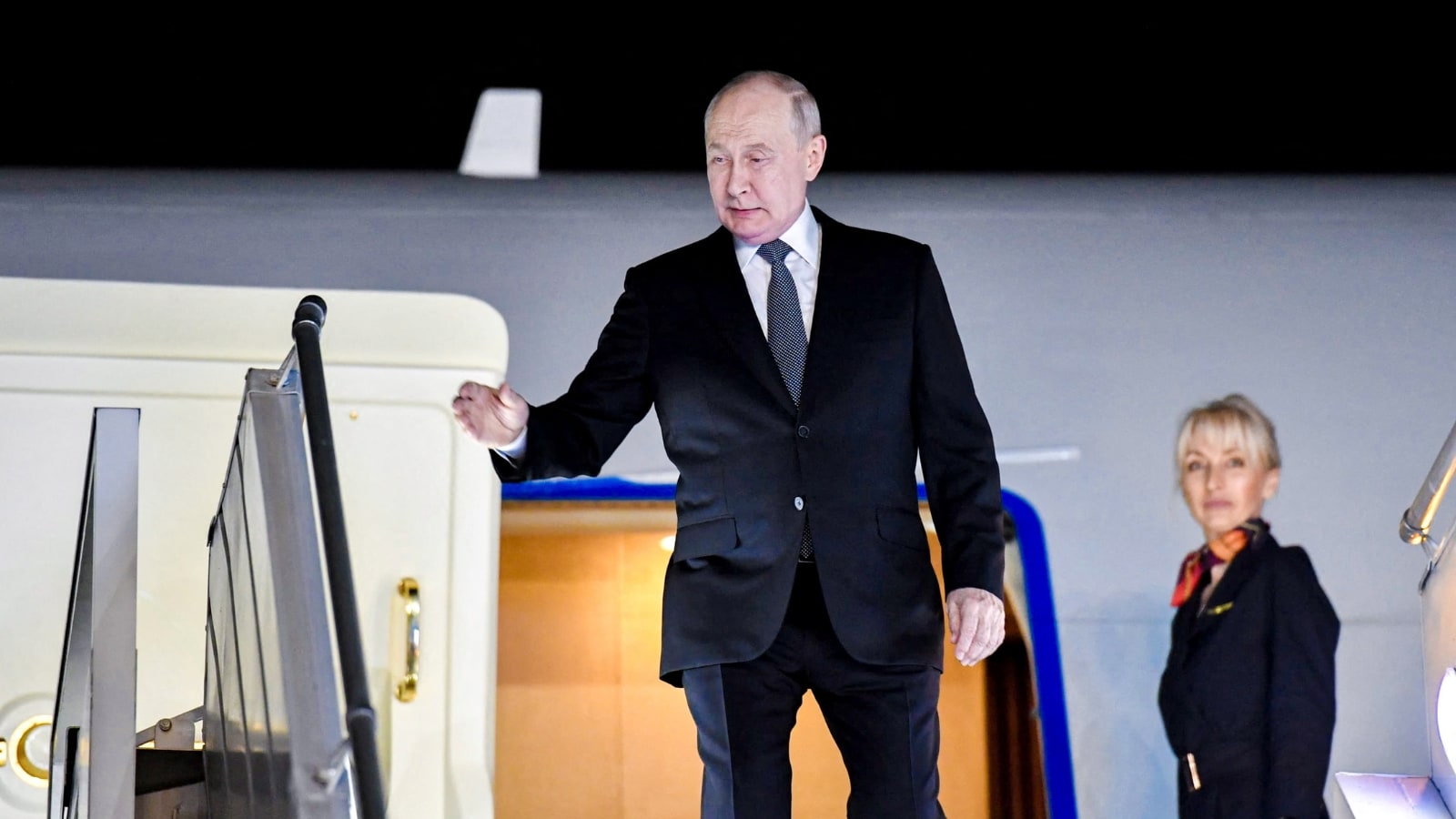
Long before arriving in the United States, Xi kicked off September with a strategic state visit to Egypt, hosted by President Abdel Fattah El-Sisi. Egypt isn't just a convenient Middle Eastern stop. It anchors North Africa and commands critical global shipping lanes through the Suez Canal.
Beijing's strategy here isn't accidental. While Western media fixates entirely on the Washington summit, Chinese diplomacy continues to lock in bilateral ties across the Global South. Energy security, infrastructure investment, and supply chain diversification drive these conversations. When Egyptian and Chinese officials sat down in Cairo, they weren't just exchanging pleasantries. They were coordinating on maritime security and long-term economic corridors that bypass traditional Western financial architecture.
Inside the Washington Summit
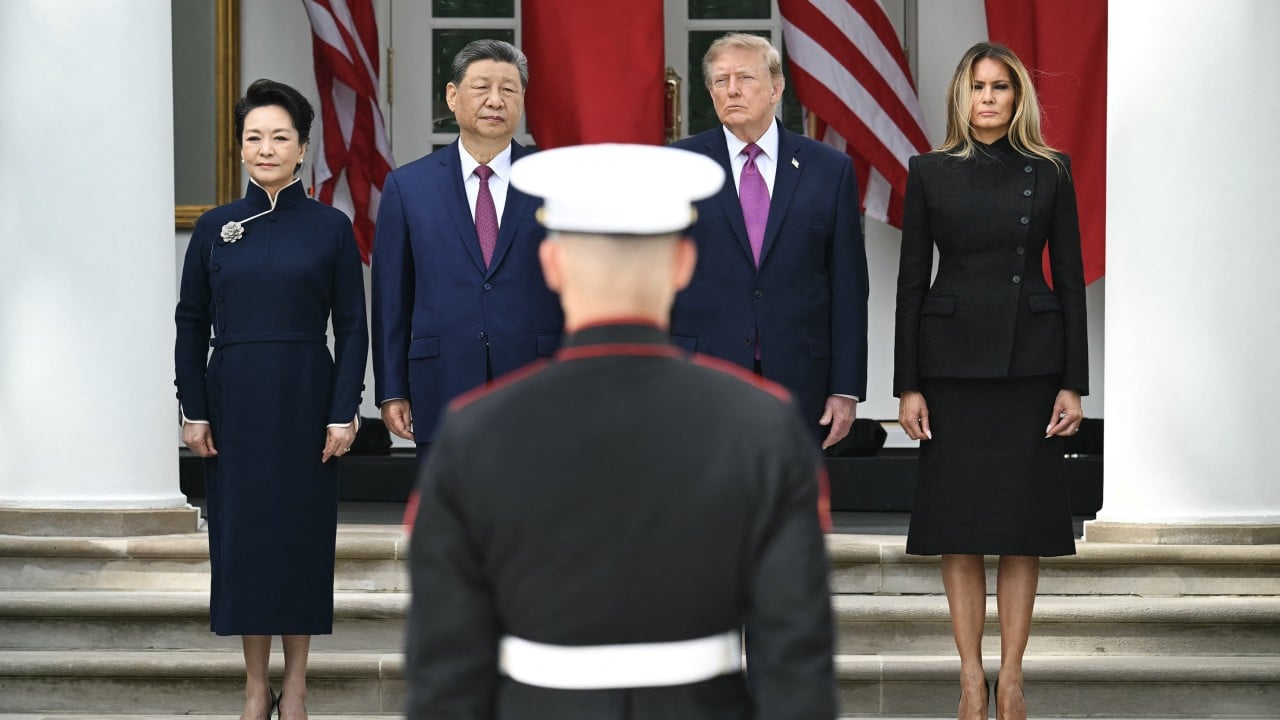
The crown jewel of September's diplomatic calendar was undoubtedly Xi's trip to Washington, DC, from September 23 to 25, hosted by U.S. President Donald Trump. This marked their second major summit of 2026, following Trump's trip to Beijing back in May.
For all the White House pageantry—complete with a welcome ceremony at the South Portico, a state dinner, and a shared visit to the National Archives—the underlying dynamic was purely transactional. Both leaders face domestic pressures that make open conflict unappealing.
Take trade and industrial policy, for example. Following earlier friction over Boeing aircraft deals and agricultural commodities like soybeans, negotiators needed a thermal check on bilateral tensions. While tech giants and financial heavyweights filled the guest lists, the actual deliverables remained narrow. They talked about guardrails for artificial intelligence governance, but deep ideological divides on trade restrictions and critical minerals barely budged.
Trump's transactional approach to foreign policy means everything is negotiable, including alliances. But China's leadership views these summits through the lens of strategic parity. Getting hosted at the White House on equal terms allows Beijing to project strength back home, framing the relationship as a dialogue between equal global heavyweights.
The Unspoken Realities of Regional Alignments
You cannot evaluate Xi's September itinerary without looking at the tensions bubbling underneath the surface. Throughout the month, trade disputes, rare earth export controls, and maritime security in the Indo-Pacific remained major pain points.
Washington pushed hard on issues ranging from Japanese export restrictions to Beijing's tacit support for Iran and ongoing anxieties over Taiwan. But China refused to blink on its core red lines. When major powers meet face-to-face, the goal isn't to solve every disagreement. The goal is to build a floor beneath a deteriorating relationship so that competition doesn't accidentally spiral into a hot war.
That is why these back-to-back summits keep happening. Leaders know that communication channels must stay open, even if neither side is willing to compromise on fundamental security interests.
What Comes Next for Global Diplomacy
The autumn diplomatic marathon won't stop in Washington. Upcoming gatherings at the Asia-Pacific Economic Cooperation summit in Shenzhen and the G20 meetings in Florida mean Trump and Xi will lock horns at least twice more before the year ends.
Stop expecting a sudden grand bargain or a miraculous reset in superpower relations. Instead, expect a grind of incremental negotiations, tactical pauses, and continuous strategic positioning. Governments and multinational corporations operating in this climate must plan for persistent friction rather than smooth sailing. Keep a close eye on how bilateral agreements on technology and critical minerals evolve on the ground, because those real-world actions matter far more than any handshake on the White House lawn.