Political leaders are losing their grip on public trust, and a quiet counterweight is filling the void in Rome. When elected officials push for unchecked technological dominance or justify armed conflict with nationalist rhetoric, the Holy See offers a completely different kind of authority. It's a collision between hard political machinery and the ancient, enduring weight of moral diplomacy.
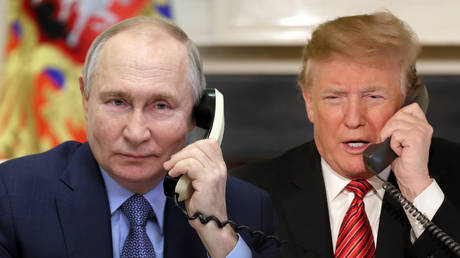
Let's look at how this dynamic plays out. Across capitals from Washington to Canberra, governments rush to embrace artificial intelligence without slowing down to count the human cost. Donald Trump establishes a White House task force and names figures like Jay Clayton to head a high-stakes race against foreign rivals, vowing not to stifle industry growth. Speed is everything. Profit margins and geopolitical dominance dictate the calendar.
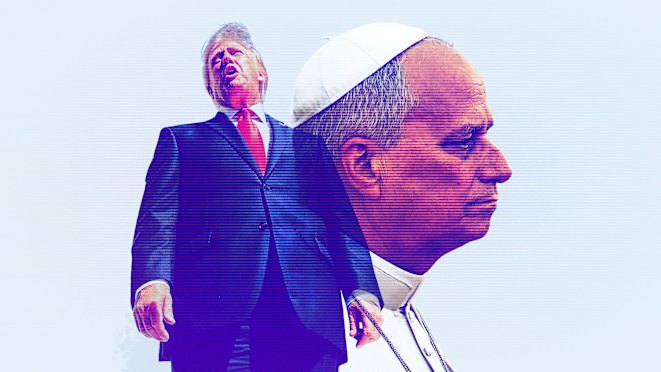
Pope Leo XIV views this race through a vastly different lens. Trained in mathematics and church law, the pontiff addresses the digital era with skepticism toward unchecked corporate infrastructures. His encyclicals warn that digital systems risk turning human beings into mere data points or economic cogs. He isn't trying to halt progress. He's demanding that humanity stay in the driver's seat.
The Clash Between Hard Power and Moral Authority
When politicians trade in hard power, they rely on military might, economic sanctions, and media control. But hard power has a glaring weakness. It breeds cynicism. Voters across the globe are exhausted by corruption scandals, broken campaign promises, and partisan bickering.
That exhaustion creates an opening for the Vatican's soft power.
Consider the ongoing friction between the Holy See and modern political figures. When key conservative strategists label the current papal leadership an obstacle to nationalist movements, they reveal a deep anxiety. They know that moral authority cuts through political spin. Whether the debate touches on global conflict, poverty, or freedom of the press, the Vatican refuses to fall in line with partisan talking points.
When US defense officials or administration figures frame modern wars with religious justifications, the response from Rome is blunt. You don't weaponize faith. You don't use divine endorsement to excuse bloodshed. This refusal to bow to executive pressure rattles political camps that demand absolute loyalty.
Why Digital Ethics Matter Right Now
The debate over artificial intelligence exposes the exact limits of corporate-driven policy. Tech titans and political advisors often dismiss whistleblowers and risk warnings as mere speedbumps on the road to innovation.
Pope Leo takes a calmer, yet firmer stance. He doesn't panic, but he refuses to look away from catastrophic risks. When interviewed by journalists aboard the papal plane, he made it clear that expert warnings about advanced tech dangers deserve serious attention, not corporate dismissal.
This brings us to the core issue. Why do people listen to a global religious leader when domestic politicians see their approval ratings sink? Because consistency matters. Governments change every four to eight years. Policies shift with the wind. The Vatican operates on a timeline measured in centuries, allowing it to critique short-sighted policies without worrying about the next election cycle.
How Global Citizens Navigate This Divide
If you find yourself cynical about modern political leadership, look closely at how independent institutions exercise influence. You don't have to be Catholic to recognize the value of an entity that questions unbridled technological power and demands ethical guardrails.
Here is how you can apply this perspective to your own evaluation of modern news:
- Separate innovation from ethics: Don't assume that faster technology automatically equals human progress. Ask who benefits and who absorbs the risk.
- Look past political spin: When leaders frame conflicts or policies in absolute moral terms, check whether independent ethical voices are sounding alarms.
- Value institutional memory: Favor leaders and organizations that maintain consistent principles rather than shifting positions to win a single news cycle.
Political authority will always chase the next headline. The real power belongs to those who ask where humanity is heading when the noise finally fades.