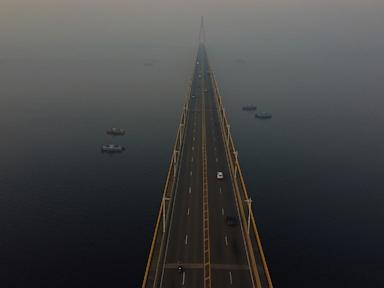
Look outside your window in Manaus right now and you won't see blue skies. You'll see a thick, yellow-gray blanket of toxic haze that turns the midday sun into a dim, eerie orange disc. Wildfires raging across Brazil’s Amazonas state aren't just burning trees in remote jungles far away—they're choking the largest city in the Amazon basin and making every breath outdoors a health hazard.
If you think this is just a local weather quirk, you're missing the bigger picture. This crisis exposes deep vulnerabilities in how we manage forest ecosystems, fight illegal land clearing, and protect urban populations when climate extremes collide.
Why Manaus Became a Smoke Trap
Geography and weather are conspiring against the millions of residents living in the heart of Brazil's northern region. When intense dry spells combine with soaring regional temperatures—elevated significantly during recent El Niño cycles—forests that should stay damp and green dry out like tinderboxes.
Most of these fires aren't spontaneous acts of nature. They're ignited by humans clearing land for agriculture, pasture, or illegal speculation. Once those blazes catch, the sheer scale of the Amazon makes containment an uphill battle.
Wind patterns then funnel the massive plumes of particulate matter directly toward urban centers. Manaus frequently ranks among the most polluted major cities on earth during peak burning seasons, with air quality index readings soaring into hazardous zones. Fine particulate matter, known as PM2.5, bypasses your body's natural defenses, gets trapped deep in your lungs, and enters your bloodstream.
The Heavy Human Toll Behind the Haze
Public health clinics across Amazonas tell a grim story every dry season. Hospitals see sharp spikes in emergency room visits for severe respiratory ailments, bronchitis, and asthma attacks. Children and the elderly bear the brunt of this toxic air, often requiring oxygen therapy as their airways struggle with the smoke load.
Daily life grinds down under the haze. Schools occasionally suspend outdoor activities, and workers outdoors face an impossible choice between earning a living and breathing poison. It's an exhausting reality for a population that depends on the forest for its identity and economy, yet finds itself under siege by its destruction.
What Government Response Misses
Brazil’s Environment Ministry frequently deploys specialized fire crews, air tankers, and on-the-ground inspection teams to crack down on illegal burns and penalize rural property owners who fail to maintain firebreaks. Yet, enforcement remains reactive rather than preventive.
Catching illegal operators after the smoke rolls into Manaus is too late. Stopping the crisis requires real-time satellite tracking combined with immediate, aggressive financial penalties and boots-on-the-ground policing before the dry season peaks. When enforcement relies on stretched-out federal agencies trying to cover an area the size of a continent, rule-breakers simply gamble that inspectors won't reach their patch of land.
Protecting Yourself When the Air Turns Toxic
If you live in or are visiting regions affected by Amazon wildfire smoke, basic survival rules apply:
- Monitor air quality indexes daily: Check trusted local air tracking tools before planning any outdoor movement.
- Seal indoor spaces: Keep windows and doors tightly shut during peak smoke hours to prevent particulate buildup inside your home.
- Use proper filtration: If you have air purifiers with HEPA filters, run them continuously in bedrooms and living spaces.
- Wear N95 masks outdoors: Cloth masks won't block microscopic smoke particles. If you must go outside, upgrade to a properly fitted respirator mask.
- Stay hydrated and watch for symptoms: Drink plenty of water and seek immediate medical care if you experience chest tightness, persistent coughing, or dizziness.
The fires in Amazonas remind us that ecological destruction always comes home to roost. Until regional governance shifts from temporary firefighting to strict, year-round accountability for land management, cities like Manaus will keep waking up choking in the dark.