Thanksgiving dinner shouldn't feel like a high-stakes constitutional tribunal. Yet, across kitchens and office breakrooms in Airdrie, Sylvan Lake, and Edmonton, that is precisely what is happening. The upcoming Alberta separation vote has transformed ordinary neighborhood chats into ideological minefields.
With voters heading to the ballot boxes to weigh in on ten separate referendum questions—the final one touching directly on whether the province should remain in Confederation or trigger a binding exit—the social fabric of Western Canada is straining. It is not just a disagreement over fiscal policy or equalization payments anymore. It is personal, raw, and entirely exhausting.
Why This Vote Hits Different
For years, Western alienation simmered quietly in oil patch boardrooms, farmyards, and local diners. People complained about Ottawa, federal energy caps, and carbon pricing, treated it like background noise, and moved on with their day.
Now, the rhetoric has shifted from venting frustrations to drawing hard lines. When Premier Danielle Smith’s government advanced the multi-question vote, it forced a theoretical argument into concrete reality. Neighbors who have lived side-by-side for decades are suddenly eyeing each other over property lines based on campaign signs.
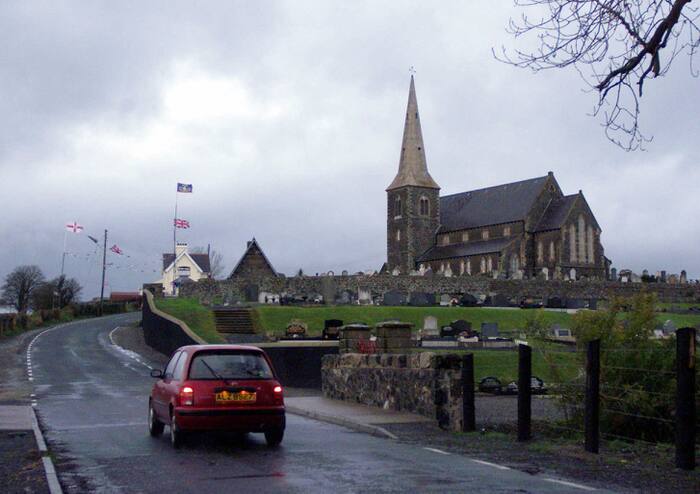
Take the small-town dynamics. In places like Sundre, local events have seen pushback and parade cancellations over concerns about political symbols. In Taber, billboards advocating for independence spark daily shouting matches. People aren't just arguing about governance models; they're arguing about identity, loyalty, and what it actually means to be Canadian in the prairies.
The Strategy Behind the Protest Vote
One of the most frustrating patterns emerging in workplaces isn't even about hardcore separatism. It is the tactical protest vote.
Office workers chatting by the coffee machine will casually admit they have no real desire to fracture the country. Instead, they frame their impending vote as a massive wake-up call for the federal government. They want to send a signal to Ottawa that they've had enough.
It sounds harmless in theory, but veteran political watchers call it playing with matches near a dry gas field. Telling voters that a radical constitutional wrench is just a message-sending tool ignores the severe economic and legal chaos that actual separation would unleash. It creates a false sense of security among protest voters who assume the status quo will magically hold together no matter what the ballot says.
Navigating the Kitchen Table Cold War
If you are dreading family gatherings this weekend because your uncle is a vocal separatist and your sister works for a federal agency, you aren't alone. Mental health professionals note a measurable spike in emotional dysregulation tied directly to political anxiety.
Lower your baseline expectations immediately. You won't convert your coworker, and your neighbor won't change their mind because you showed them a GDP chart. Accepting that political viewpoints are deeply entrenched lets you stop carrying the emotional weight of trying to fix someone else's worldview.
Set clear boundaries. Tell your family that dinner is a politics-free zone. If someone crosses the line, walk away. You don't owe anyone an argument over dessert.
Looking Past the Ballot
The ballots will be counted, the results will hit the news tickers, and Alberta will still be dealing with the same economic realities on the morning after the vote. Pipelines still need approval, inflation still pinches household budgets, and winter will still arrive on schedule.
Decide right now how you want to treat the people living around you when the noise finally fades. Keep your focus local, protect your peace, and remember that your immediate community matters far more than Ottawa's next policy blunder.