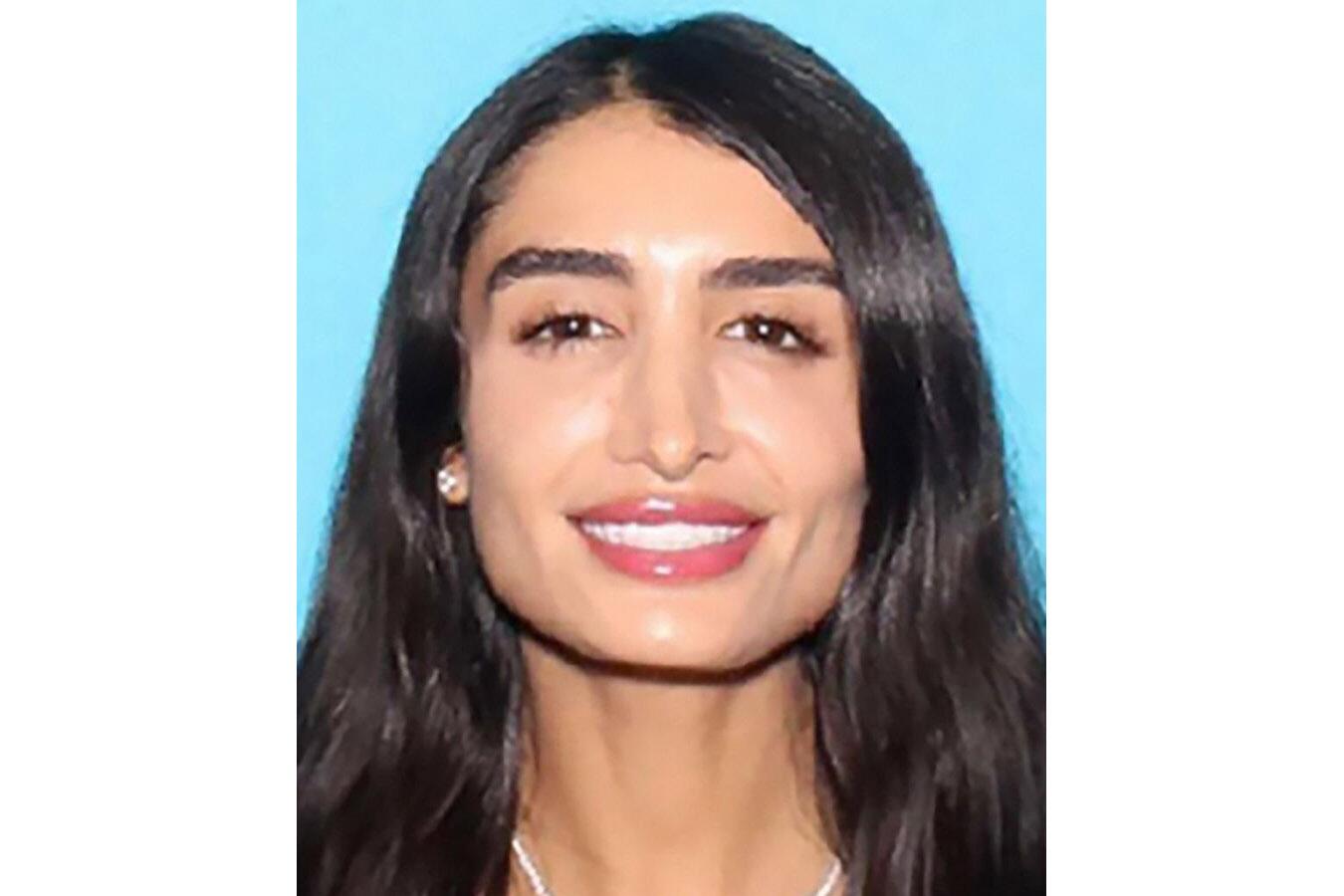
Dating apps promised a modern revolution in human connection, but they also handed professional grifters a frictionless highway straight into private residences. When social media influencer Adva Lavie—known online by aliases like Mia Ventura—was recently found competent to stand trial in Los Angeles County, it marked another bizarre milestone in a case that blurs the lines between true crime headlines and high-society drama. Prosecutors allege that Lavie weaponized digital platforms to cultivate relationships with affluent suitors, only to allegedly loot their homes of luxury watches, gold, and cash.
The legal path to this courtroom showdown hasn't been straightforward. Proceedings were temporarily halted weeks ago after doubts were formally raised about her mental competency, setting off a scramble of psychological evaluations before a judge ultimately ruled she is fit to face a jury. Facing felony counts spanning multiple jurisdictions, Lavie's ongoing legal saga pulls back the curtain on how vulnerable high-net-worth individuals can be when charm masks malicious intent.
How the Dating App Burglary Scheme Unraveled
According to the Los Angeles County District Attorney's office, the operation relied on a consistent playbook. Between 2023 and 2025, Lavie allegedly targeted older and wealthy men across upscale neighborhoods like West Hollywood, Beverly Hills, and Westlake Village. By positioning herself as a romantic partner or high-end travel companion through online dating networks, she gained direct physical entry into private homes.
Once inside, investigators claim she capitalized on trust to swipe high-value items, including designer accessories, cash, and luxury timepieces. The charges expanded beyond Los Angeles when authorities linked her to a separate theft allegation during the Coachella music festival in Riverside County. Violating release conditions, allegedly removing an electronic ankle monitor, and subsequent re-arrests compounded her custody status, landing her behind bars without bail.
The Billionaire Connection and Witness Tampering Charges
What elevates this case from a standard serial property crime to headline-grabbing news is its tangled web of high-profile associates. Lavie's former fiancé, real estate billionaire and former political candidate Stephen Cloobeck, found himself dragged directly into the legal fallout.
Prosecutors filed felony witness intimidation charges against Cloobeck, alleging he tried to block several victims from testifying against Lavie. While Cloobeck pleaded not guilty, the dramatic collapse of their relationship highlights the chaotic collateral damage surrounding the prosecution. Court documents reveal accusations that stretched even further, with investigators claiming attempts were made to encourage relatives to use disputed credit lines.
What This Means for Digital Trust and Online Safety
The reality of modern online dating is that people rarely check credentials before letting someone through their front door. High-profile cases involving romance scams and targeted burglaries remind everyone that digital charisma can easily conceal predatory behavior. Law enforcement agencies continue to field reports from individuals who trusted too quickly, only to realize too late that their private sanctuaries were compromised.
As the trial moves forward under District Attorney Nathan Hochman, the courtroom proceedings will test whether physical evidence and victim testimonies can successfully puncture the defense. For anyone navigating the digital dating ecosystem, the takeaway is stark. Charm requires verification, and private security is only as effective as the judgment calls made behind closed doors.