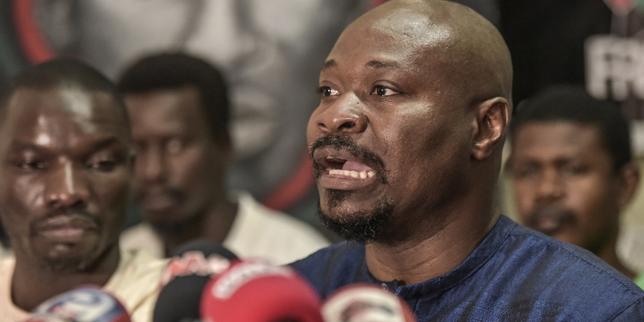
The debate over colonial restitution has officially entered a much more sensitive territory. While discussions for years centered heavily on looted artifacts, royal sabres, and stolen cultural treasures sitting in European institutions, the focus has shifted entirely to human remains. In Senegal, a member of parliament has reignited urgent calls for France to return ancestral human remains kept in French public collections.
This is not just a diplomatic talking point. It is a fundamental question of dignity, historical reckoning, and unfinished business from the colonial era. Let's look at why this debate matters now more than ever and what it means for future diplomatic relations between Dakar and Paris.
Moving Past Artifacts to Ancestral Remains
For a long time, the restitution dialogue focused strictly on physical objects. When France passed framework legislation to facilitate the return of cultural property and looted treasures—such as the historic decisions surrounding artifacts destined for Benin and Senegal—lawmakers treated the issue as a matter of cultural heritage.
Human remains, however, carry an entirely different weight. Skulls and bones stored in museum basements, such as those historically kept in institutions like Paris's Musée de l'Homme, are not just historical specimens. They represent ancestors torn away during military conquests and scientific expeditions of the 19th and early 20th centuries.
When a Senegalese lawmaker steps up to push this issue back into the spotlight, they are channeling a grief that families and communities have carried for generations. You cannot reduce a human being to an ethnographic inventory number.
The Legal and Political Hurdles in France
France has slowly started opening doors that were locked for decades. President Emmanuel Macron's administration signaled a willingness to rethink heritage policies, leading to new legal frameworks designed to ease the deaccessioning of disputed items. Yet, human remains often fall into a complicated legal gray zone.
Unlike standard museum acquisitions, human bones and body parts are technically protected by complex heritage and civil code provisions that treat public collections as inalienable. Changing those rules requires specific legislative action on a case-by-case basis or a broader, sweeping legal framework that explicitly covers human remains.
France has walked this path before. Think of the 2020 law that allowed the return of 24 skulls of Algerian resistance fighters. That precedent proved that political will can overcome rigid bureaucratic hurdles. But every single country making a claim has to fight an uphill battle through parliamentary debates, committee votes, and intense political scrutiny.
Why This Debate Is Flaring Up Now
Timing is everything in international politics. Lawmakers in Senegal are capitalizing on a shifting legislative mood in Europe. With French senators and deputies actively reviewing how the country handles colonial-era collections, African parliaments see a narrow window of opportunity to press their claims.
Waiting centuries for justice grows exhausting. Communities want closure. When a politician in Dakar raises the alarm, they are reflecting a widespread public sentiment that partial measures and symbolic gestures are no longer enough. The demand is straightforward: identify the remains, trace their origins, and bring them home for a proper burial.
What Happens Next
The road from a parliamentary speech to an actual repatriation flight is long and rocky. Provenance research takes time. Historians and scientists must meticulously verify identities, lineages, and the precise circumstances of acquisition. Mistakes in identification damage credibility and hurt the families waiting for answers.
If France wants a genuine reconciliation with its former colonies, ignoring these demands is no longer a viable strategy. The conversation will only grow louder as more nations demand the return of their ancestors.
Take action by staying informed on international cultural property laws, supporting transparent provenance research, and holding institutions accountable for the ethical management of colonial-era archives.