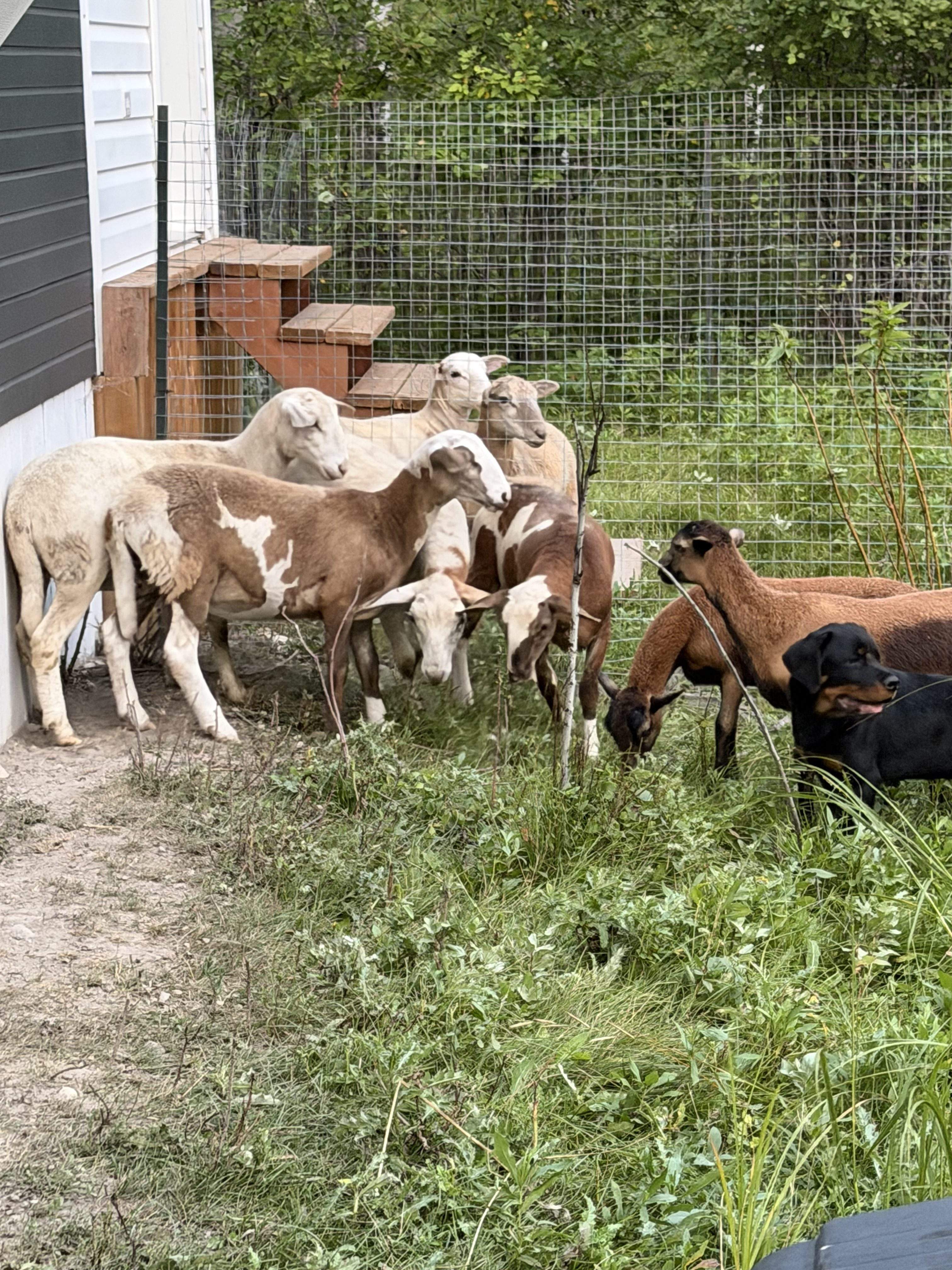
Livestock rustling sounds like a plot point from an old Western movie. It isn't. Right now, farmers across rural Canada deal with the terrifying reality that their animals can vanish overnight without a trace. When thieves targeted Frank Russo's hobby farm in Balmoral, Manitoba, stealing eight of his sheep at the end of September, it broke something inside him. He felt like a failed protector.
That kind of heartbreak hits hard. But a recent announcement by the provincial government aims to change how law enforcement handles these specialized rural crimes. The RCMP just launched a dedicated investigation unit targeting livestock theft and fraud, and producers across the prairies are welcoming the backup.
The Reality of Modern Rustling
Agricultural crime is uniquely devastating. Unlike a stolen television or a broken fence, livestock represent months or years of careful breeding, emotional attachment, and vital income. Thieves know that rural properties are isolated. They know response times span hours.
Between 2021 and 2025, RCMP records show 57 reported cases of cattle theft and fraud in Manitoba alone. Many more incidents go unrecorded or unsolved because local detachments juggle everything from highway patrol to domestic calls. They rarely have the specialized expertise needed to track stolen livestock across provincial borders or identify altered brands.
Frank Russo put it plainly when speaking about losing his sheep. He wanted to quit farming entirely because of the emotional toll. That vulnerability is something armchair experts miss. Farming isn't just a business balance sheet. It's daily stewardship. When animals are stolen, the psychological damage lasts far longer than the financial loss.
What the New RCMP Unit Brings to the Table
The newly funded cattle cop initiative changes the equation by giving rural communities specialized investigators who actually understand the livestock industry. Tracking stolen cattle or sheep requires knowing auction networks, transport permits, and ear-tag identification systems. Standard patrol officers have plenty of duties, but tracing a stolen steer through complex secondary markets demands dedicated focus.
Industry groups have pushed for this kind of targeted approach for years. Carson Callum, CEO of Manitoba Beef Producers, pointed out a massive vulnerability in the current system. There is basically zero mandatory inspection happening at drop-off sales facilities in Manitoba right now. That lack of oversight makes it far too easy for bad actors to fence stolen livestock anonymously.
A dedicated RCMP unit creates a centralized point of contact. Instead of local detachments treating a stolen animal like minor property theft, specialized investigators can connect patterns across multiple rural municipalities. They can look at transport logs, monitor online livestock sales, and work directly with agricultural boards to catch perpetrators before the trail goes cold.
Fixing the Gaps in Rural Security
A specialized police unit is a massive step forward, but stopping agricultural crime requires tightening security measures from the ground up. If you raise livestock, you can't rely solely on police response times.
You have to secure your perimeter. Modern agricultural security involves a mix of low-tech vigilance and smart tech upgrades.
- Install trail cameras with cellular connectivity near gates and loading chutes.
- Keep accurate, up-to-date records of all ear tags, brand numbers, and distinctive markings.
- Build strong relationships with neighboring landowners so unfamiliar trucks parked near pastures get noticed immediately.
- Report suspicious buyer behavior at local auctions directly to industry associations.
Rural crime thrives on isolation. By bridging the gap between producers and specialized enforcement, initiatives like Manitoba's new cattle cop unit tear down that isolation. For farmers like Frank Russo, it won't bring his sheep back, but it ensures future producers won't have to face the heartbreak alone.