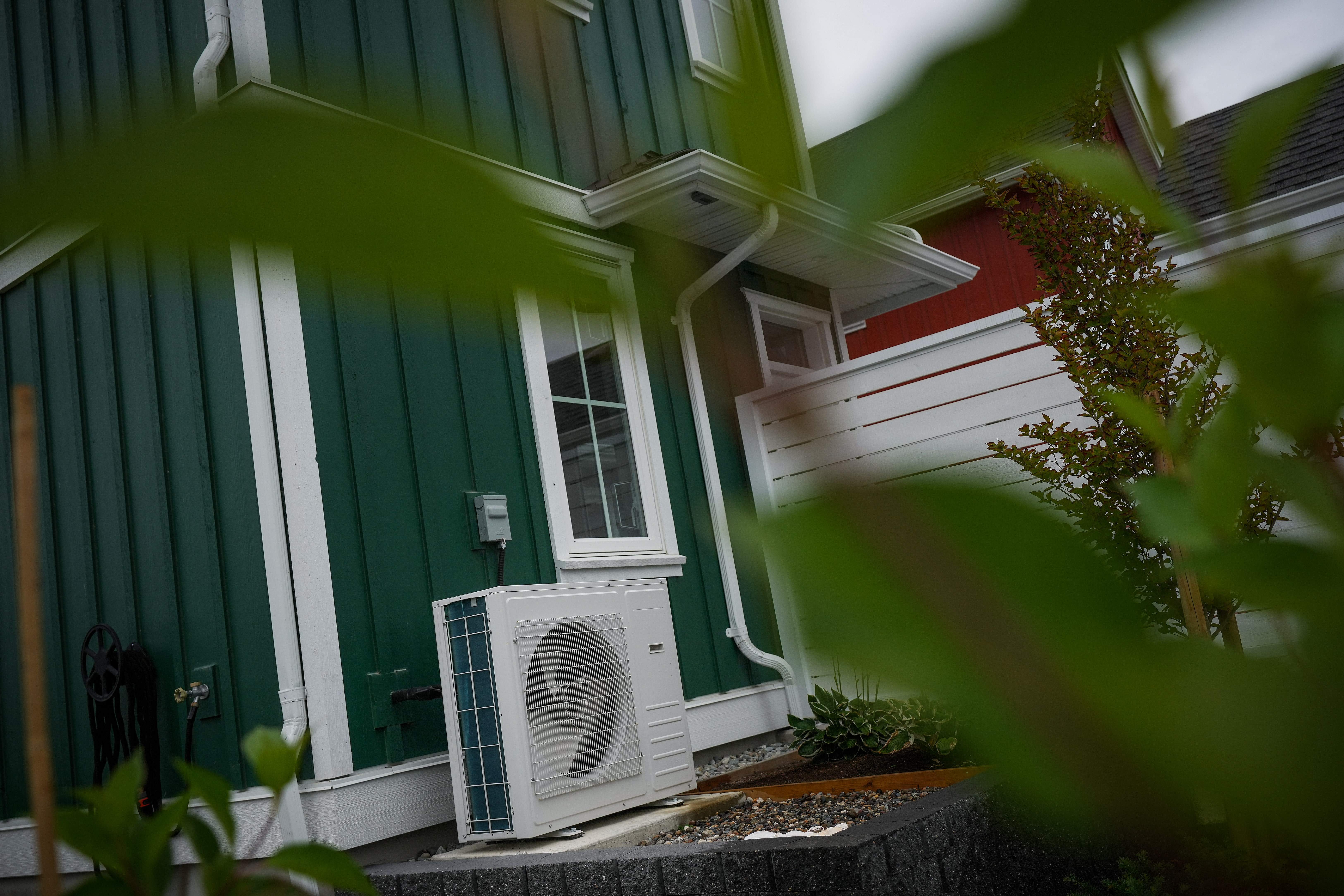
If you’ve been staring down a dying furnace and dreading the replacement bill, Ottawa has some fresh numbers for you. Prime Minister Mark Carney just announced a massive $2 billion federal push to get one million Canadian homes off fossil-fuel heating and onto efficient electric heat pumps.
Let's cut through the political noise and look at what this actually means for your wallet.
The upcoming program rolls out early next year. While full administrative details remain under wraps, the framework splits homeowners into two distinct financial tiers. Households sitting below the median income level can look at a staggering $10,000 back on their installation costs. Everyone else? You’re eligible for a $2,000 baseline rebate.
Who Gets What and Why It Matters
Government grants sound great on paper until you try to navigate the paperwork. This new initiative replaces the older oil-to-heat-pump programs that targeted specific regional heating sources. Instead, Ottawa is casting a wider net aimed at emergency replacements and aging heating systems nearing the end of their lifecycle.
If your furnace is rattling its last breath in January, timing matters.
The $10,000 tier for below-median income earners practically covers the entire cost of modern cold-climate heat pump installation in many regions. For average-income families, the $2,000 slice takes the sting out of a steep upgrade. But you shouldn't treat this as free money without doing your homework first. Contractors know these grants exist. Some inflate their baseline quotes the moment a federal subsidy hits the headlines.
The Cold Weather Reality Check
Critics always bring up sub-zero temperatures. Can a heat pump actually keep a house warm when winter plunges below minus twenty?
Ten years ago, the answer was a flat no. Today's inverter-driven heat pumps pull ambient heat out of the air even when it feels freezing outside. Modern units run efficiently down to minus thirty degrees Celsius. You do need a backup heat source—like a traditional electric strip or an existing gas furnace—for those freak polar vortex weeks. But for ninety percent of the winter, the heat pump does all the heavy lifting.
You'll see dramatic drops in your monthly energy bills. Moving away from natural gas or heating oil usually slashes winter heating costs by half, depending on your local electricity rates.
What You Should Do Right Now
Don't wait until the official launch date next year to start planning. Good HVAC contractors book out months in advance.
First, pull your recent utility bills and figure out your home's actual heating load. Second, get independent quotes from at least three certified technicians who specialize in cold-climate heat pump installations. Ask them explicitly about how their equipment handles deep freezes. Finally, keep an eye on provincial programs. In many provinces, federal rebates stack directly on top of provincial eco-grants, which can push your total savings even higher.
Plan ahead, vet your installer, and don't let your old furnace catch you unprepared when the temperature drops.