Another brutal crime has reignited decades of anger on Japan's southernmost island. When local police slapped handcuffs on 20-year-old U.S. Marine Lance Cpl. Devin Jacob Ballard over the robbery and murder of 39-year-old Anna Yagi in an Okinawa City hotel, it wasn't just an isolated tragedy. It broke a fragile peace that Tokyo and Washington try to maintain with duct tape and temporary curfews.
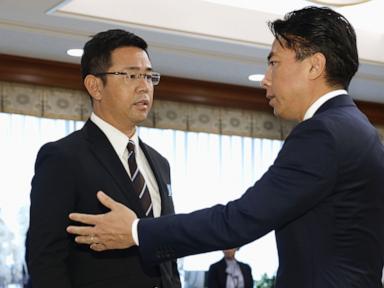
Okinawa Governor Genta Koja didn't mince words. He called the incident completely unforgivable and demanded strict disciplinary overhauls from the central government. But local residents have heard these promises before. Every few years, a heinous offense committed by a service member sparks massive protests, temporary base restrictions, and empty apologies from visiting officials. Then things go right back to normal.
The Breaking Point on Japan's Strategic Island
Okinawa hosts the vast majority of the roughly 50,000 U.S. military personnel stationed across Japan under bilateral security pacts. While politicians in Tokyo view this island fortress as critical for regional deterrence, Okinawans shoulder the direct human cost.
Statistically, the friction is undeniable. Okinawa prefectural police handled 101 criminal cases involving U.S. military personnel, civilian employees, and family members in 2025 alone. That marked the highest annual figure since 2003. Since 1972, local law enforcement has tracked over 6,400 crimes tied to the base population, including roughly 600 serious offenses. As extensively documented in recent coverage by BBC News, the results are significant.
When you live next to heavily armed foreign barracks, these numbers aren't abstract data points. They represent real danger to your family and neighbors.
Why Temporary Curfews Fail to Fix the Root Problem
Within hours of Ballard's arrest, the U.S. military enforced a swift reaction. Officials slapped a 48-hour operational pause on the island, restricted troops to their bases, and banned alcohol consumption.
Let's be honest. A two-day alcohol ban and a temporary curfew don't stop violent crimes. They are public relations band-aids designed to quiet down media outrage until the news cycle moves on. They treat the symptoms while ignoring systemic cultural and disciplinary failures within base command structures.
Governor Koja took his grievances straight to Prime Minister Sanae Takaichi, demanding an urgent reduction in the island's military burden. He wants preventative rules that actually stick, not knee-jerk restrictions that vanish after a week.
The Deep Historical Wound
This latest murder forces painful memories back to the surface. In 1995, the brutal rape of a schoolgirl by three U.S. servicemen triggered historic outrage across Japan, forcing Washington and Tokyo to promise land returns and footprint reductions. Decades later, major installations like Marine Corps Air Station Futenma remain stubbornly operational, and crimes keep happening.
Mainland politicians treat Okinawa as a convenient dumping ground for the country's defense obligations. They reap the geopolitical security benefits while Okinawans pay with their safety.
If the Japanese government wants to restore trust, empty rhetoric won't cut it anymore. Real accountability requires shrinking base footprints, rewriting the flawed status of forces agreements that shield service members, and holding military commands directly responsible for the behavior of their troops.
Stop waiting for the next tragedy to demand real reform.
U.S. Soldier Arrested in Robbery-Murder Case: Governor Koja Urges Defense Minister Koizumi to Preve
This video provides direct news coverage and footage of Okinawa Governor Genta Koja addressing the U.S. military crime crisis and pushing national leadership for strict disciplinary action.
http://googleusercontent.com/youtube_content/1