When a federal immigration agent opens fire into a vehicle with a five-year-old child inside, it stops being a standard enforcement operation and becomes an unmitigated crisis. That is exactly what played out in the Bronx neighborhood of Marble Hill, setting off a high-stakes political collision between New York City Mayor Zohran Mamdani and the federal government.
The incident has reignited furious debates over immigration enforcement tactics, municipal safety, and the limits of federal power in sanctuary cities. If you have been wondering how this volatile situation escalated so quickly and what it means for the future of urban policing, let us break down the reality behind the headlines.
What Happened During the Bronx Confrontation
The operation unfolded around four o'clock in the afternoon on a Thursday in Marble Hill. Federal immigration agents targeted twenty-eight-year-old Oscar Belgal, an undocumented immigrant from the Dominican Republic. According to New York Police Department Commissioner Jessica Tisch, plainclothes federal agents approached Belgal's vehicle with weapons drawn while he sat inside with a five-year-oid boy, believed to be his son.
When the vehicle moved forward, at least one ICE agent discharged seven rounds. Belgal was struck in the neck just below his left ear and rushed to New York-Presbyterian Allen Hospital in stable condition. Miraculously, the young child survived physically unharmed and was promptly placed in the care of family members.
The Department of Homeland Security defended the shooting by pointing to Belgal's criminal record, citing a prior conviction for grand larceny, multiple arrests, and alleged ties to the Trinitarios gang. Yet, local leaders argue that criminal history does not justify a barrage of gunfire directed at a car carrying a young child.
Mayor Mamdani Draws a Hard Line
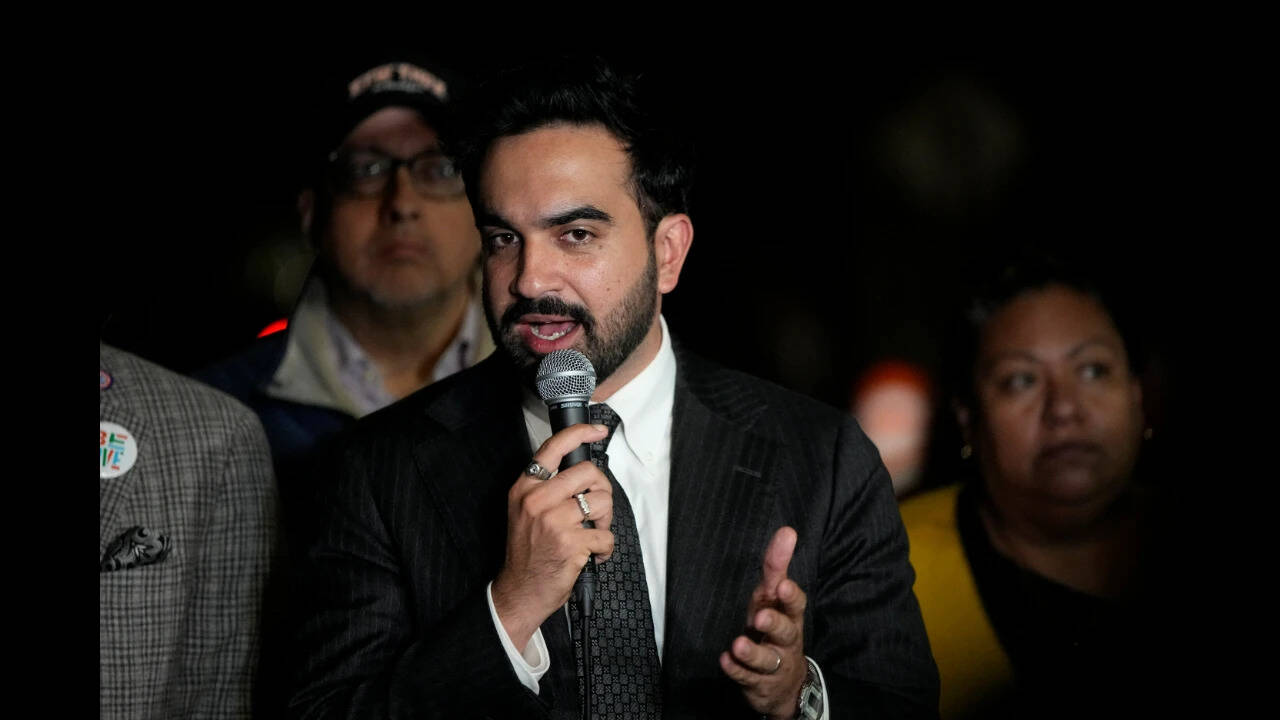
Mayor Zohran Mamdani didn't mince words after the shooting. In a fiery video message, he declared that federal immigration operations make New York City less safe and demanded that immigration authorities leave the city entirely.
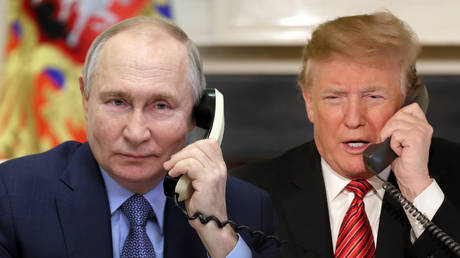
Mamdani escalated the standoff by speaking directly with President Donald Trump and Homeland Security Secretary Markwayne Mullin. After roughly two hours of intense discussions, the mayor failed to secure Belgal's release, fueling his frustration. Mamdani argued that firing multiple rounds into a vehicle occupied by a child has no justification and vowed to fight back against federal tactics that terrorize local communities.
This hardline stance puts Mamdani on a direct collision course with federal immigration authorities, testing the fragile boundaries between local governance and federal mandate.
The Broader Political Backlash
The Bronx shooting drew immediate condemnation from across New York's political spectrum, uniting figures who often find themselves at odds.
Governor Kathy Hochul also engaged directly with federal leadership, demanding a halt to aggressive enforcement operations in the city alongside the immediate release of body-camera footage. Representative Ritchie Torres labeled the decision to fire multiple rounds into a car with a child inside as abhorrent and indefensible. Meanwhile, Senate Minority Leader Chuck Schumer called the event deeply disturbing and pushed for an independent investigation.
Critics of federal enforcement point out that aggressive tactics in dense urban environments put innocent bystanders at extreme risk. Supporters of federal immigration policy argue that officers face dangerous conditions when apprehending individuals with criminal backgrounds. That tension sits at the heart of the ongoing fight over immigration enforcement in major metropolitan areas.
What Comes Next for New York City
This standoff is far from over. As local leaders demand accountability and transparency, federal agencies are standing firm on their mandate to target individuals with criminal records. For residents, the incident highlights ongoing fears about aggressive federal operations in neighborhoods where families live, work, and go to school.
If you live in New York or follow municipal politics, expect this clash to shape legislative debates and local policy for months. The fundamental question remains whether local leaders can successfully force federal changes or if this confrontation will only deepen the divide between city hall and Washington.