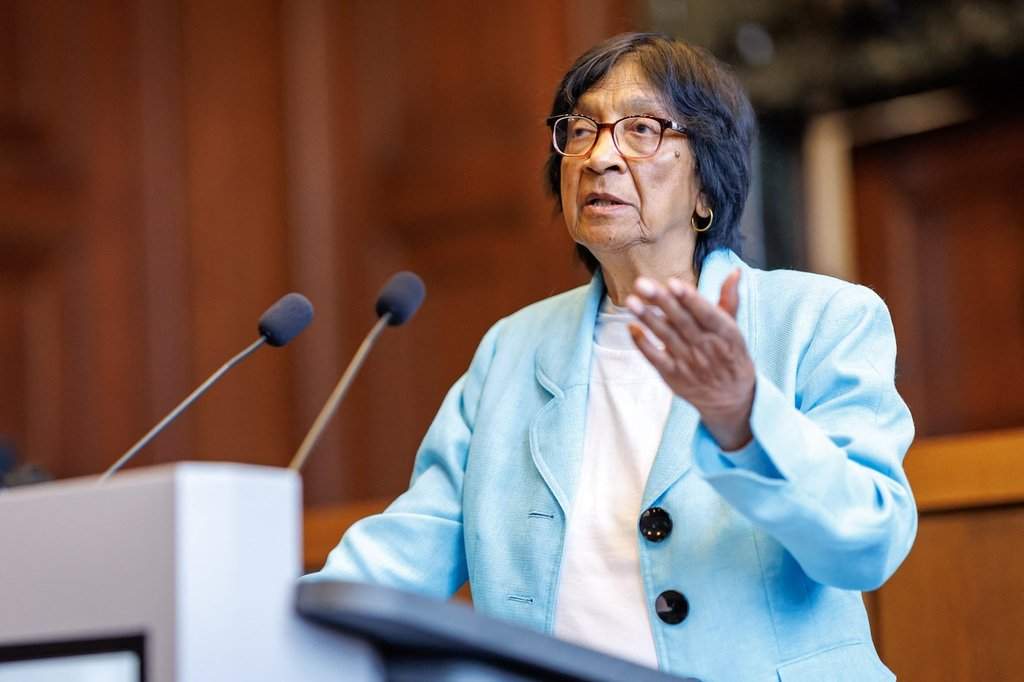
International law is bleeding out, and the Norwegian Nobel Committee just handed a scalpel back to the people trying to save it. When 85-year-old South African jurist Navanethem Navi Pillay heard she won the 2026 Nobel Peace Prize in Nuremberg's historic Courtroom 600, it wasn't just a nod to her past. It was a direct punch thrown at the modern architects of impunity.
Let's be real about what this award actually means. For years, powerful heads of state have treated global courts like suggestion boxes. They brush off arrest warrants, threaten international prosecutors with financial ruin, and scoff at findings of war crimes. Pillay's win changes the room's energy. It signals that decades of standing up to apartheid, protecting political prisoners on Robben Island, and investigating atrocities in Gaza won't be swept under the rug by political tantrums.
The Defender Who Refuses to Back Down
You don't spend a lifetime fighting broken systems by being polite. Long before she chaired the United Nations Human Rights Council or served as a judge on the International Criminal Court, Pillay was a young lawyer in apartheid-era South Africa. She didn't just watch history happen; she forced it to bend. She fought for the basic rights of political prisoners locked away on Robben Island, including Nelson Mandela.
When Mandela later became president, he appointed her as South Africa's first non-white woman High Court judge. She brought that exact same fearlessness to the international stage. As the UN high commissioner for human rights from 2008 to 2014, she took flak from superpowers on all sides because she refused to grade human rights violations on a curve.
When people ask why her Nobel win matters right now, look at the institutions currently under siege. The International Criminal Court and the International Court of Justice are facing unprecedented pressure. Washington has slapped sanctions on court staff. Foreign leaders openly brand international tribunals as biased platforms. Pillay's entire career has been an argument against that cynicism. She knows that once you let power dictate whose suffering matters, law ceases to exist.
The Gaza Inquiry and the Global Firestorm
You cannot separate Pillay's Nobel win from her recent work leading the UN Commission of Inquiry on the Occupied Palestinian Territory and Israel. Her panel concluded that Israel bore responsibility for genocide in Gaza, while also documenting severe war crimes committed by Hamas during the October 7 attacks.
That finding drew immediate, white-hot fury. Israeli officials didn't just disagree with the report; they launched blistering attacks, calling the award a grotesque weaponization of international prestige. On the flip side, Palestinian advocates and officials saw the prize as a rare validation of their humanity amidst total devastation.
Critics have accused Pillay of bias, pointing to the fierce polarization surrounding the Middle East conflict. Yet her defenders point out a simple truth: investigating the powerful is supposed to make them uncomfortable. Pillay has repeatedly maintained that international humanitarian law applies to everyone or it applies to no one. That uncompromising stance is precisely why she earned the Norwegian Nobel Committee's nod on the 125th anniversary of the prize.
A Direct Rebuke to Trump and Netanyahu
The timing of this announcement reads like a masterclass in diplomatic messaging. It lands squarely as Washington intensifies its feud with the International Criminal Court and as Israeli Prime Minister Benjamin Netanyahu fights for political survival ahead of a tense election.
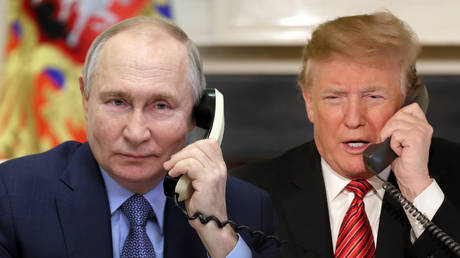
U.S. President Donald Trump has spent months railing against international courts as out-of-control tribunals with no jurisdiction over American actions, even suggesting his own claim to the peace prize. By awarding Pillay instead, the committee sent an unmistakable message to the White House and Jerusalem. They chose a jurist who has spent her life enforcing the rules that populist leaders love to tear down.
When Pillay spoke in Nuremberg, she warned that undermining international criminal justice risks dragging the world back to an era where raw power decides who lives and who dies. That isn't abstract philosophy. It is a daily reality for millions of people trapped in active conflict zones from Gaza to Myanmar, where Pillay also serves as an ad hoc judge in the Rohingya genocide case at the ICJ.
We are living through a period where global rules are bending until they snap. Navi Pillay's Nobel Peace Prize won't stop a bullet or rebuild a flattened neighborhood overnight. What it does do is ensure that the people trying to hold monsters accountable have a massive megaphone, reminding the world that justice outlives the politicians trying to crush it.