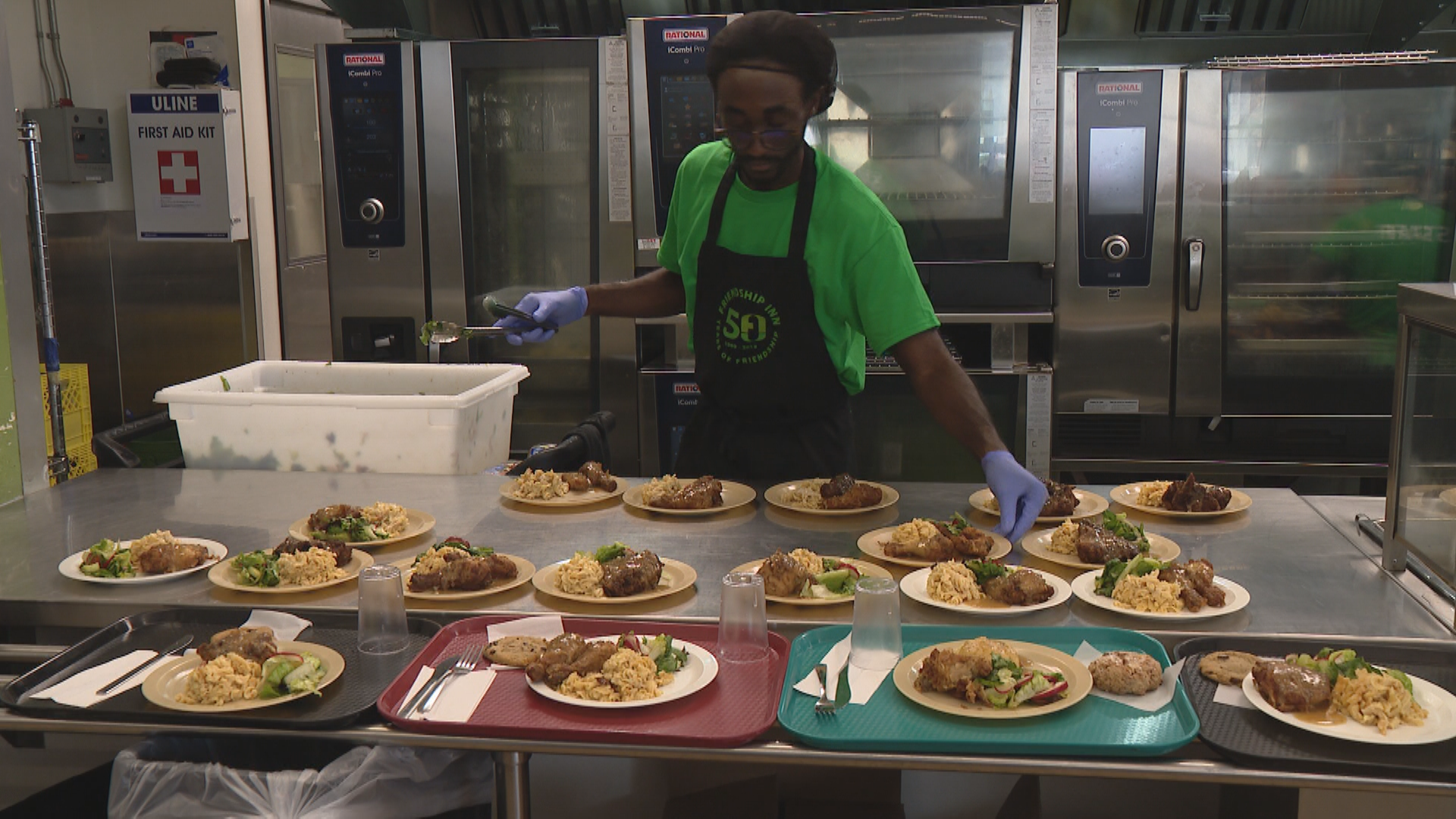
Fifty thousand meals in a single month. Let that number sit with you for a second.
Saskatoon's Friendship Inn hit that staggering milestone last September, keeping up an unrelenting pace of over 50,000 meals plated month after month. Now, the crunch of the holiday season is here, and the pressure is only mounting. While most of us are busy arguing over turkey cooking times and grocery store receipts, community soup kitchens are bracing for their busiest weekends of the entire year.
The reality on the ground tells a stark story about modern food insecurity. When rent spikes and fixed incomes stay flat, grocery bills are the first thing people trim. Unfortunately, you can't budget your way out of starvation.
The Cost of Living Squeeze Hits the Plate
It's easy to look at holiday food drives as a feel-good tradition, but community leaders see the grim math behind the scenes. Sandra Kary, CEO of the Friendship Inn, points right at inflation and local population growth as the twin engines driving this surge. Similar coverage on the subject has been provided by Al Jazeera.
When you live on a fixed pension or a tight hourly wage, rising grocery prices don't just mean buying store-brand cereal. It means choosing between heat and groceries. When those choices get too hard, community kitchens become the last line of defense.
The numbers bear this out. Last Thanksgiving, the facility served close to 2,500 meals on the holiday itself. This year, staff expect to blow past that record. Every single holiday season breaks the previous year's mark. That isn't a trend anyone should celebrate. It's a flashing warning sign about the state of urban working poverty.
What It Takes to Feed a City
Preparing a massive holiday meal for thousands of people isn't a last-minute scramble. Behind the turkey dinner vibe is military-style logistics.
Kitchen staff and volunteers start prepping food a full week in advance. Roasting hundreds of turkeys, peeling mountains of potatoes, and packing plates requires precise coordination. Fortunately, local communities usually step up. Turkeys roll in through donations, and volunteers fill every available shift.
Yet, relying solely on donated turkeys misses the bigger picture. Day-to-day operations require unglamorous staples like coffee, peanut butter, and jam. More importantly, it takes cold hard cash to keep the lights on and the industrial ovens running. Kary notes that a single meal costs about five dollars to produce. Five dollars buys a plate of food, a moment of dignity, and a warm room for someone who might otherwise go without.
How to Actually Help Beyond the Holiday Hype
If you want to do more than share a sentimental post about Thanksgiving charity, drop the canned goods and look at what organizations actually need.
Food banks and soup kitchens are commercial operations with massive purchasing power. A monetary donation stretches much further than a bag of expired pasta from your pantry because organizations buy ingredients in bulk.
- Give cash directly: Financial support lets kitchens buy fresh produce, meat, and dairy that donors rarely supply.
- Volunteer year-round: Holiday shifts fill up in minutes. The real crisis happens in February and March when holiday donations run dry and the weather turns brutal.
- Support infrastructure: Advocate for local housing initiatives and living wage policies. Soup kitchens treat the symptom, but they can't cure the disease.
The Thanksgiving rush will pass, but the demand won't vanish on Monday morning. The real test of a community isn't how well it feeds people on holidays. It's how we look after each other when the decorations come down and the news cameras leave.