The Arctic is turning into a crowded, high-stakes chessboard. As retreating ice opens up new shipping routes and untapped resource deposits, major global powers are scrambling to lock down influence at the top of the world. Yet, for Beijing, pushing forward with a heavy-handed or aggressive stance in the polar north is a recipe for strategic failure.
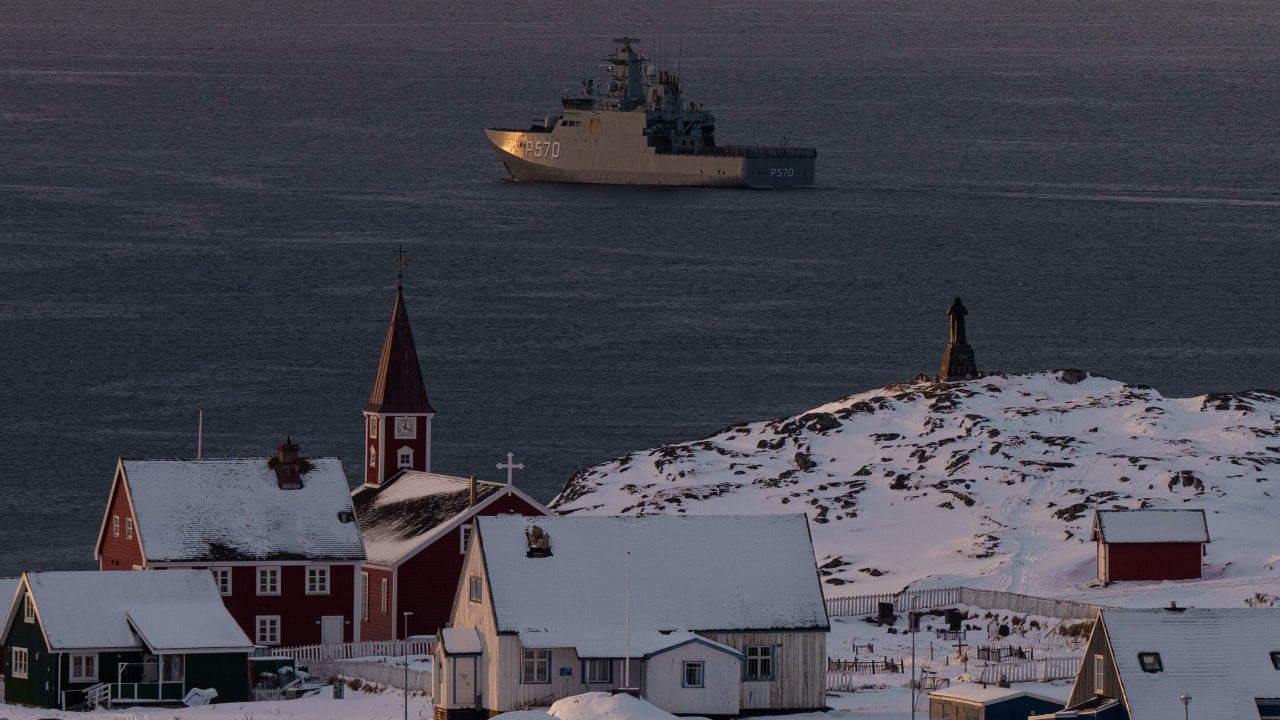
Recent security pacts between the United States, Denmark, and Greenland highlight a tightening Western perimeter designed to keep rivals out. Chinese think tanks and policy analysts are pointing out an obvious reality. Adopting a hostile or confrontational posture won't expand China's footprint in the Arctic. Instead, it will only unite regional states in opposition and narrow Beijing's diplomatic runway.
The Cost of Overplaying Your Hand in the High North
Beijing has long branded itself as a "near-Arctic state," leaning on scientific research, commercial shipping ambitions, and the "Polar Silk Road" initiative to justify its presence. But geography isn't on China's side. With zero coastline touching the Arctic Ocean, China relies entirely on the goodwill of littoral nations, particularly Russia, and international legal frameworks to maintain its foothold.
When tensions flare or military posturing increases, Western Arctic nations respond by slamming the door. Recent defense agreements aimed at curbing Chinese and Russian influence on strategic islands like Greenland prove that Western powers are watching closely. If Beijing reacts with retaliation or aggressive rhetoric, it hands its rivals the exact justification they need to militarize the region and lock Chinese entities out of critical mining and infrastructure projects.
You can't bully your way into a region where you don't own the coastline. Diplomacy, economic partnership, and low-profile scientific cooperation have always been China's most effective tools in the polar north. Trading those for hardball tactics destroys the very leverage Beijing spent decades building.
Why the Russian Arctic Dynamic Changes the Equation
With Western Arctic access growing increasingly constrained, Beijing's primary avenue for polar engagement runs directly through Moscow. Russia controls roughly half of the entire Arctic coastline, boasting thousands of kilometers of northern maritime territory.
As sanctions and geopolitical isolation push Russia closer to China, Moscow has opened doors for joint energy exploration and shipping cooperation along the Northern Sea Route. But this partnership has distinct limits. Moscow is notoriously protective of its sovereign control over northern waters and guards its military infrastructure fiercely.
If Beijing tries to overreach or project too much hard power into the Russian Arctic, it risks triggering old Russian anxieties about sovereignty and dominance. Russia wants Chinese capital and ice-class vessels, but it doesn't want a junior partner dictating terms in its backyard. Walking that tightrope requires subtle diplomacy, not chest-thumping nationalism.
Navigating the Trap of Great Power Rivalry
Washington is actively trying to frame the Arctic as another theater of systemic competition. By framing every Chinese research station or commercial shipping venture as an imminent military threat, the US hopes to force regional allies into compliance.
If Beijing takes the bait and responds with its own saber-rattling, it walks right into a strategic trap. A militarized Arctic heavily favors the US and its NATO allies, who possess deep defense alliances and established bases across the North Atlantic and North Pacific. China's best defense against this containment strategy is restraint.
Maintaining a focus on peaceful scientific collaboration, environmental research, and adhering strictly to international law keeps the diplomatic pressure on Western capitals. It isolates the US narrative of a Chinese threat, proving that Beijing's Arctic interests are economic and scientific rather than territorial or hostile.
Practical Steps for Beijing's Polar Strategy
To preserve its long-term interests in the High North, policymakers in Beijing must double down on pragmatic engagement rather than emotive escalations.
- Prioritize Science Diplomacy: Keep funding joint climate research projects with Nordic and non-Western partners to cement utility and dispel fears of hidden military motives.
- Respect Local Sovereignty: Publicly and privately reassure smaller Arctic communities and governments that commercial investments respect local laws and environmental standards.
- Calibrate Moscow Ties: Manage economic deals with Russia carefully to secure energy resources and shipping lanes without triggering Russian fears of over-dependence or territorial encroachment.
The Arctic won't be conquered through force or intimidation. The countries that succeed at the top of the world will be the ones patient enough to play the long game.