Hate crime data in England and Wales has hit another grim milestone. Police records show a 7% year-on-year surge, pushing racially and religiously motivated offenses to new peaks. Home Office figures for the year leading up to March 2026 reveal a total of 146,825 recorded hate crimes across both nations.
If you look beneath the headline numbers, the breakdown is stark. Religious hate crimes jumped by 13%, climbing from 10,067 to 11,419 offenses. Meanwhile, race hate crimes continue to make up the vast majority, surging 9% to hit 107,926 offenses compared to 98,890 the previous year. Even when excluding data from the Metropolitan Police Service due to internal crime recording changes, both categories reached unprecedented highs.
Numbers on a page don't capture the reality on the ground. People bear the brunt of these statistics every single day. Let's look at why these figures keep climbing and what they actually tell us about social cohesion.
What the Data Really Tells Us About the Spikes
We need to be honest about how police statistics work. A rise in recorded hate crimes doesn't automatically mean a straight linear increase in bigotry on the streets. Better reporting mechanisms, improved police categorization, and heightened public awareness play a massive role.
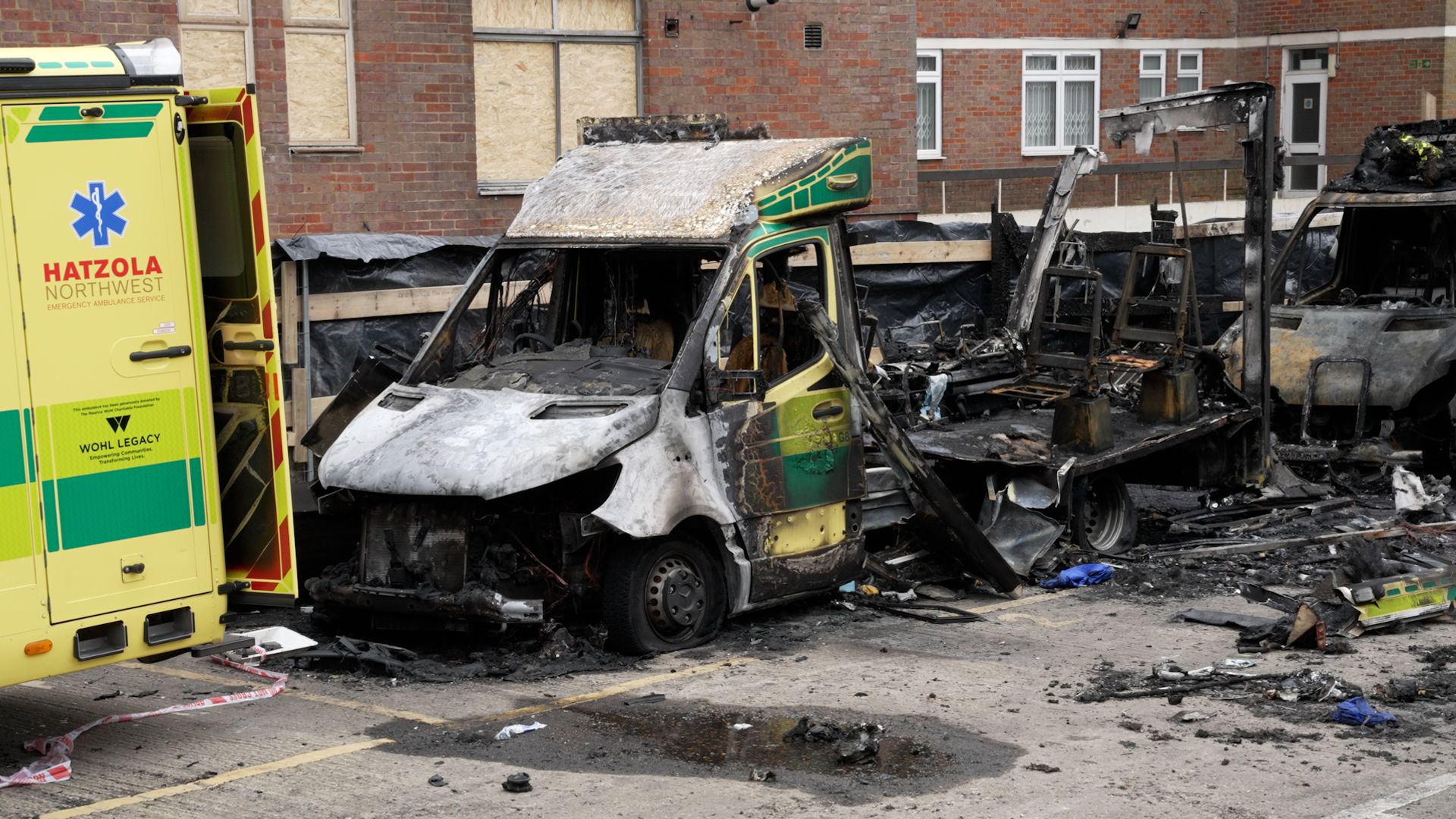
Yet, treating these figures as purely administrative is a mistake. Specific geopolitical events and domestic flashpoints trigger measurable waves of abuse. For instance, data highlights how antisemitic hate crimes remain severely elevated, heavily impacted by fallout from ongoing Middle Eastern conflicts and domestic attacks like the Heaton Park Synagogue incident. Similarly, Islamophobia surges following major social unrest or domestic riots, such as the violence that erupted across towns and cities following the Southport attacks.
When global tensions flare, British streets feel the shockwaves immediately. Public spaces turn hostile. Local communities absorb the impact.
The Real Cost of Record-Breaking Numbers
Communities targeted by racial and religious hostility face a constant psychological tax. Walking down the street shouldn't require risk assessment. Yet, minority groups routinely adjust their daily routines to avoid trouble.
Consider what happens after a high-profile incident. Community security organizations, such as the Community Security Trust (CST) monitoring antisemitism, report sustained spikes in abuse that linger for months. Facilities like community centers, places of worship, and schools are forced to spend scarce resources on physical security rather than community programs.
It creates an exhausting cycle. An event happens, tension rises, hate crimes spike, security tightens, and the underlying social fabric frays a little more.
Beyond the Headlines: What Needs to Happen Now
Condemning bigotry on social media changes nothing. If policymakers want to reverse these record-breaking trends, tokenistic statements won't cut it. Real intervention requires three concrete shifts.
First, community policing needs actual teeth and genuine trust. Victims often hesitate to report incidents because they doubt anything will change. Police forces must prove that investigating low-level harassment and online incitement is a genuine priority, not an administrative afterthought.
Second, education must tackle prejudice before it hardens into criminality. Schools need robust frameworks to address online radicalization and extremist narratives that young people consume unchecked on social media algorithms.
Third, political rhetoric matters immensely. When public figures use divisive language for short-term political posturing, it grants implicit permission for fringe elements to act out. Tone starts at the top. Until leadership demands accountability in public discourse, statistics will keep climbing.
Take a hard look at your own local community. Support local advocacy groups, check in on vulnerable neighbors, and refuse to let casual prejudice pass unchallenged. Change doesn't start with a government report. It starts with how we treat people right in front of us.