Donald Trump wants a Nobel Peace Prize. He has wanted one for years, and he's not shy about telling anyone who will listen.
Standing in the Oval Office, the US President declared that it's "about that time" for him to receive the world's most famous diplomatic accolade. But he immediately hedged his bets, claiming the Norwegian Nobel Committee has a reputation for ignoring leaders like him. If you've paid attention to foreign policy over the last decade, this routine feels awfully familiar. Every time peace talks make headlines, Trump manages to steer the conversation right back to his own mantelpiece.
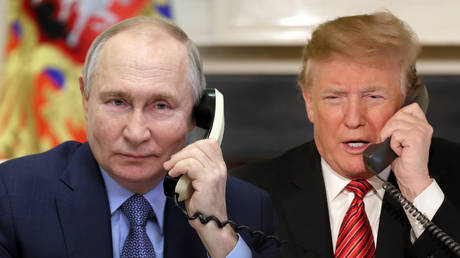
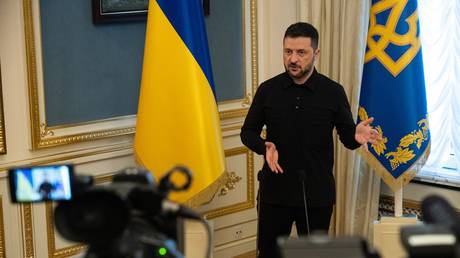
Let's look at the actual claims. Trump asserted that he settled eight separate conflicts since starting his second term in office. That is a massive number. It's also a claim that crumbles under basic scrutiny. While his administration loves to credit aggressive tariff threats and hardline pressure for forcing hostile nations to blink, reality on the ground paints a messier picture. Armed conflict has flared back up in parts of the Democratic Republic of Congo and along the contested Cambodia-Thailand border. His much-touted diplomatic breakthrough for Ukraine hasn't materialized into a sustainable peace deal, and the Middle East remains dangerously unstable following military exchanges involving Iran, the US, and Israel.
So why does he keep pushing the narrative?
Politics rarely operates on pure facts. For Trump, the Nobel Prize functions as the ultimate validation symbol. It represents institutional acceptance from the very global establishment he loves to attack. He hates that Barack Obama won the prize in 2009 just months into his presidency—a decision that raised eyebrows globally at the time, given Obama hadn't actually accomplished much yet. Trump loves to bring this up, pointing out that Obama "didn't do anything" to earn it.
During his press comments, Trump also leaned into a bizarre anecdote involving Venezuelan opposition figure Maria Corina Machado. He claimed she handed her peace medal over to him during an Oval Office meeting because she felt he deserved it more. Stories like this highlight how Trump frames his entire foreign policy approach: personal loyalty, grievance against traditional institutions, and transactional wins.
The Norwegian Nobel Committee operates independently in Oslo, far away from Washington press conferences. They rarely reward populist firebrands. Other prominent names frequently floated for the 2026 honor include religious leaders like Pope Leo, international bodies like the International Criminal Court, and various human rights advocates. Trump knows this, which explains why he's already laying the groundwork to discredit the committee if—or when—they pass him over once again.
You can't manufacture consensus diplomacy through sheer force of will or social media posts. Real peace requires grinding, unglamorous institutional work that rarely fits neatly into a campaign speech. Trump wants the prize because it sounds good on a rally stage, but actual peace deals require maintenance long after the cameras turn off.
Keep an eye on Oslo this Friday. When the announcement drops, expect another round of sharp commentary from Washington, regardless of who takes home the medal.