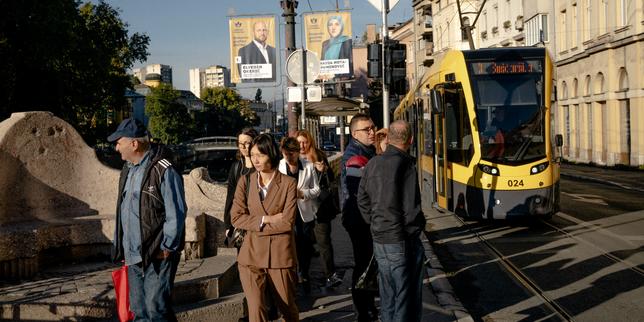
Voters in Bosnia and Herzegovina didn't just cast ballots on October 4, 2026; they slammed the brakes on the country's European integration. With a turnout hovering around forty-two percent, it's clear the public is exhausted by endless political gridlock and institutional paralysis.
If you expected these general elections to inject fresh momentum into the country's stalled EU accession path, you were looking in the wrong place. Instead of opening doors to Brussels, the results highlight a fragmented system where internal ethnic divisions and nationalist postures continue to override much-needed reforms.
The Cost of Political Stagnation
Let's look at the numbers. Out of roughly 3.4 million registered voters, significantly fewer people bothered to show up compared to the 2022 elections. That drop isn't just apathy—it's deep disillusionment. Citizens are tired of watching leaders trade economic progress for nationalist rhetoric.
The three-member collective presidency, structured by the 1995 Dayton Agreement, remains a bottleneck. Early results from the October 4 vote show figures like Denis Bećirović leading for the Bosniak seat and Željka Cvijanović maintaining dominance for the Serb entity, while changes brewed around the Croat seat with Darijana Filipović in the lead. What does this mean for Brussels? It means the status quo wins again.
Why European Integration Is Losing Ground
The European Union wants structural changes, anti-corruption measures, and judicial reform. Local political elites know that complying with these demands threatens their grip on patronage networks. In the Republika Srpska, the SNSD claimed victory, keeping familiar faces in power who have consistently challenged central state authority and EU alignment.
When regional leaders prioritize sovereignty disputes over administrative harmonization, the entire country suffers. Brussels has dangling carrots, but local politicians know how to dodge the sticks. They keep voters divided along ethnic lines so nobody asks why infrastructure is crumbling or why young professionals are leaving in droves.
What Happens Next
Don't expect overnight breakthroughs. Forming coalition governments at the state and entity levels will take months of horse-trading. Every single appointment becomes a battleground for influence between major powers, with Russia, the United States, and European nations pulling strings behind the scenes.
If you're watching the Western Balkans, keep an eye on how long it takes to seat the new parliaments. Until local politicians realize that stalling reforms hurts their own economy more than anyone else, European integration will remain nothing more than a talking point for campaign season.