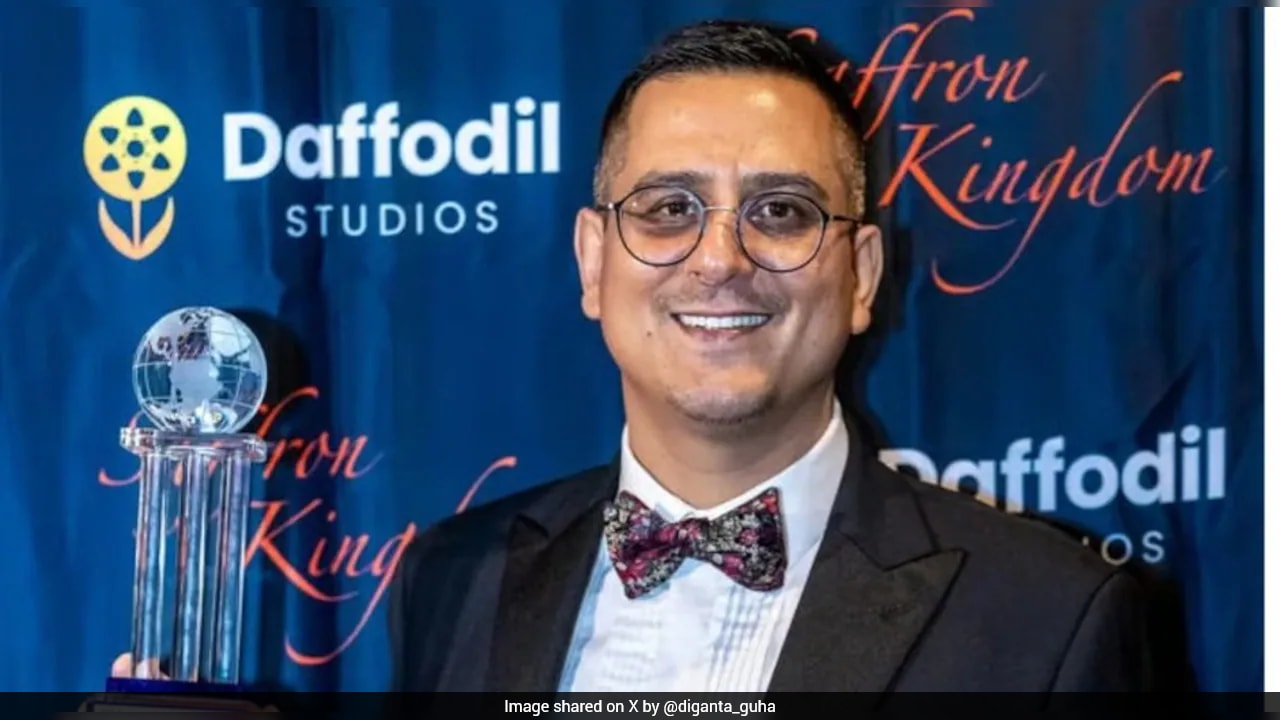
Two weeks. That is how long an award-winning Kashmiri filmmaker sat behind bars after stepping off a domestic flight in Virginia.
Arfat Sheikh walked out of US Immigration and Customs Enforcement detention on a bond this week. His supporters cheered. His release made headlines. But anyone paying attention to the current immigration reality knows the truth. The nightmare is far from over. His deportation case rolls on, and the climate for foreign artists, students, and asylum seekers in America has shifted into hostile territory.
Let's look at what actually happened. Sheikh arrived in the US back in 2019 on a student visa to study film at Georgia State University. He filed for asylum in 2020. He lived, worked, and built a creative career in Alexandria, Virginia. His 2024 feature film, Saffron Kingdom, picked up wins at the Chicago Filmmakers Awards, the LA Film and Documentary Awards, and the Melbourne Independent Film Festival. His work deals head-on with conflict in Kashmir, tracking a family from Srinagar to Atlanta.
Then came September 24. ICE agents met him at Washington Dulles International Airport as he stepped off a plane from California. No warning. Just sudden custody.
The Department of Homeland Security maintains that Sheikh legally entered on a temporary basis and overstayed his lawful admittance, arguing that a pending asylum application does not grant legal status. On the other side, civil rights advocates point out the glaring issue: Sheikh had a pending application, was authorized to work, and had committed no crime. They argue this aggressive action is part of a broader, chilling trend targeting foreign nationals who seek protection in the US.
The Trump administration made its stance clear in August. Officials announced active steps to identify and revoke non-immigrant visas of foreigners who enter as short-term visitors or students only to file for asylum later. For independent creators and artists who rely on free expression, this policy creates a quiet panic. When making films about sensitive geopolitical conflicts can land you in administrative custody during a routine domestic flight, everyone starts watching what they say.
You might wonder how a person with a pending legal status gets snatched up at an airport. That is the point. The immigration system operates in a gray zone where administrative rules clash with human lives. A pending asylum application keeps you safe from immediate deportation on paper, but it leaves you vulnerable to sudden enforcement shifts.
Sheikh's case is not an isolated incident. Across the country, foreign-born professionals, students, and long-term residents are finding out how quickly their safety net can evaporate. Stories of individuals detained after decades in the country or during routine check-ins fill the news cycle. Yet, each case brings its own specific sting. When the person targeted is an outspoken filmmaker whose art documents political oppression, the arrest carries a heavy symbolic weight.
Bond was granted on Tuesday, and he was released on Thursday. He gets to go home to Virginia for now. But his legal battle continues. He still faces the very real threat of being forced out of the country he has called home for seven years.
If you think immigration policy only affects nameless statistics, look at the creative community. Artists need stability to tell hard truths. When that stability is pulled away on a whim, independent voices go quiet. Support the campaigns demanding due process. Pay attention to the legal fights happening behind the flashy headlines. The detention may have ended in two weeks, but the message sent to foreign artists in America remains loud and clear.