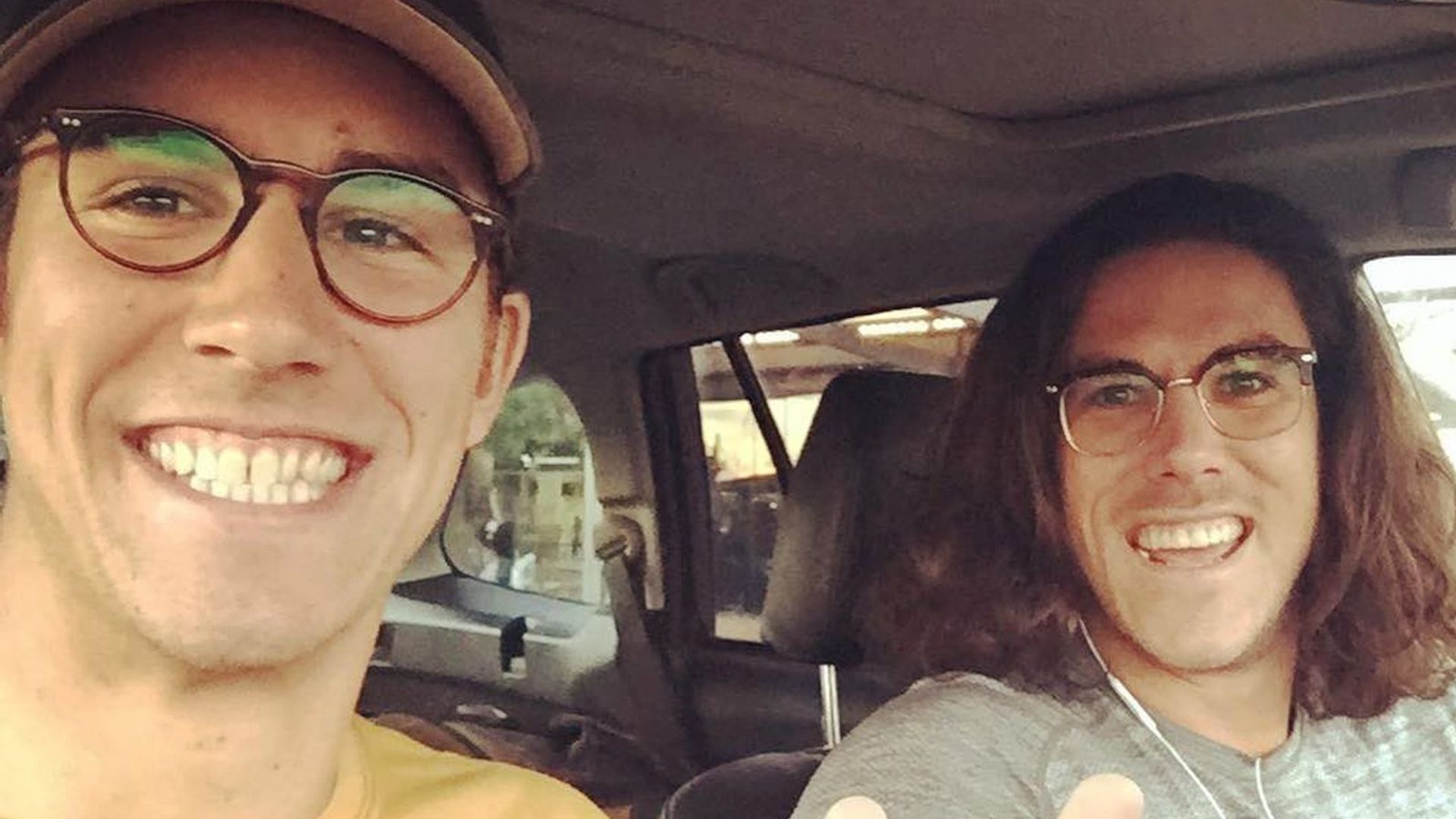
The headlines shook international surfing communities to their core. In April 2024, Australian brothers Callum and Jake Robinson, alongside their American friend Jack Carter Rhoad, embarked on a dream surf trip down the rugged coast of Baja California, Mexico. They never came home. Their bodies were discovered in a remote well, victims of a senseless crime sparked by a desire to steal their truck's tires.
Now, more than two years later, a Mexican court has officially found three local men—Jesus Gerardo, known as "El Kekas", along with Irineo Francisco and Angel Jesus—guilty of the murders, armed robbery, and carjacking. While the verdict offers a measure of legal accountability, it doesn't rewrite the grief etched into the families left behind.
Let's look past the breaking news alerts to examine what actually happened, why remote travel exposes hidden vulnerabilities, and how travelers can realistically assess risk when chasing waves off the beaten path.
The Anatomy of a Tragic Robbery Gone Wrong
The details emerging from the Ensenada courtroom paint a grim picture of how quickly a remote adventure can turn fatal. Callum (33), a lacrosse player living in the United States, Jake (30), a medical doctor who had flown out to visit, and Carter (30) were camping near Punta San José.
Prosecutors proved during the trial that the attackers targeted the trio specifically for their vehicle and possessions. A female accomplice, Ari Ari Gisela Silva Raya, had previously encountered the group and instigated her companions to carry out the robbery. When the surfers resisted or the criminals sought to eliminate witnesses, the situation escalated into cold-blooded murder. The attackers shot the men and dumped their bodies into a remote water well, burning the victims' truck nearby to destroy evidence.
For families tracking the case, the trial was an agonizing endurance test. Martin and Debra Robinson, the parents of the Australian brothers, traveled from Perth to attend the grueling four-week proceedings. As Debra Robinson noted outside the courtroom, a guilty verdict brings closure of a sort, but it doesn't bring her sons back.
The Hard Truth About Remote Travel Risks
Surf culture inherently pushes people toward isolation. The best waves break far from crowded resorts, down unpaved dirt tracks, and hidden behind pristine headlands where cell service drops and law enforcement patrols are non-existent.
That isolation is a double-edged sword. While it offers uncrowded peaks and raw adventure, it also strips away security infrastructure. Opportunistic criminals operating in remote border regions or isolated coastal zones view foreign tourists driving expensive trucks and carrying modern electronics as prime targets.
It is easy to blame the victims or point fingers at local safety conditions, but criminal opportunism exists everywhere. The real lesson isn't about avoiding Mexico entirely—millions of travelers visit Baja safely every year. Instead, it's about recognizing that remote camping without situational awareness leaves you entirely on your own when things go sideways.
Practical Steps to Stay Safe on Off-the-Grid Trips
If you love adventure travel, you don't need to lock yourself indoors or stick exclusively to all-inclusive resorts. But you do need to upgrade your threat awareness.
- Prioritize secure accommodation at night: Camping wild on deserted beaches sounds romantic until night falls. Whenever possible, park your vehicle and set up camp within established, gated campgrounds, or near trusted local properties where eyes are on the ground.
- Keep a low profile: Driving heavily modified vehicles packed with high-end surf gear, expensive cameras, and visible tech beacons advertises your wealth to local opportunistic criminals. Blend in where you can and secure gear out of sight.
- Maintain redundant communication: Standard cell phones are useless in remote Baja canyons. Invest in a satellite messenger or a reliable two-way emergency device so you can ping your location or call for help if you're cut off.
- Trust your gut: If a local interaction feels off, or if you notice individuals lingering around your camp or vehicle, pack up and leave immediately. Politeness should never override your personal safety.
Moving Forward Without Notoriety
The legal system has delivered its verdict, and sentencing is just around the corner, with prosecutors pushing for maximum penalties. Yet, the families of the victims are intentional about where they place their energy.
Rather than letting the perpetrators consume the narrative, loved ones are focusing on legacy. The Callum and Jake Robinson Foundation was established to help people live bigger and brighter lives in honor of the brothers. Carter Rhoad's memory lives on through those who knew his warmth and adventurous spirit.
Adventure will always call to those willing to seek out the unknown. Just remember that no wave is worth ignoring your safety basics.