Seventy years of memories can be packed into boxes, but they can't fit into a hospital room. When 87-year-old María del Carmen Abascal—known simply as Maricarmen to the thousands who marched for her—was carried out of her Madrid apartment on a stretcher on September 23, 2026, it wasn't just an eviction. It was the moment Spain's boiling housing crisis finally boiled over.
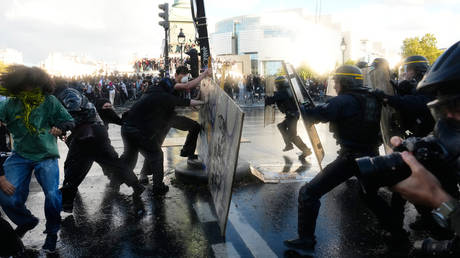
Now, following her death at Gregorio Marañón Hospital, the outrage has shifted into a full-scale social reckoning. Thousands have flooded the streets of Madrid, gathering near the Congress of Deputies and setting up encampments in Puerta del Sol. They aren't just mourning an elderly woman; they are confronting a broken system that prioritizes real estate speculation over human lives.
The Face of Spain's Rental Emergency
Maricarmen had lived in her apartment in Madrid’s Ibiza neighborhood since 1956. Her father originally signed the lease, and her mother passed away within those same walls in 2005. It was a home built on decades of ordinary, quiet routines—family photographs, a collection of keepsakes on a tea table, and familiar neighbors in local shops that have slowly been replaced by chain stores and tourist accommodations.
Everything shattered when the real estate firm owning the building pushed for aggressive rent hikes. After nearly seven years of exhausting legal battles, enforcement officers and social workers finally removed her on a stretcher due to severe exhaustion and anxiety. She spent her final weeks hospitalized, clutching little more than black-and-white family photographs.
While a late-September agreement was eventually brokered allowing her to return home, it came far too late. The physical and emotional toll had already done its damage.
Why This Sparked a National Uprising
Spain's housing market is broken. Soaring rents, short-term tourist rentals, and a severe shortage of affordable housing have squeezed ordinary citizens out of their own neighborhoods. For years, politicians talked around the issue while renters watched their monthly costs skyrocket.
Maricarmen’s case resonated because it could have been anyone. Renters across Madrid, Barcelona, and other major cities saw their own fears reflected in her forced removal. The anger on the streets isn't abstract economic frustration—it's visceral. Protesters chanting "Maricarmen lives, the fight goes on" are demanding concrete legislative action: strict limits on rent increases, tighter restrictions on speculative evictions, and automatic contract renewals for long-term tenants.
The pressure has already forced the political class to scramble, triggering fierce debates and demands for early elections. But for many citizens marching outside parliament, political promises ring hollow after a woman died waiting for basic security.
What Happens Next
If you're watching the situation unfold from outside Spain, the lesson is clear: housing affordability is no longer a localized municipal issue. It is a powder keg. When elderly tenants with multi-decade leases can be tossed onto the street for profit, the social contract breaks down completely.
The immediate next steps for the Spanish housing movement involve maintaining the pressure on lawmakers through sustained street protests, expanding tenant union networks, and pushing for emergency legislation to halt similar evictions before more lives are lost. Maricarmen wanted to die in her home. Instead, her legacy is a nation forced to look in the mirror and decide whether housing is a human right or a commodity.