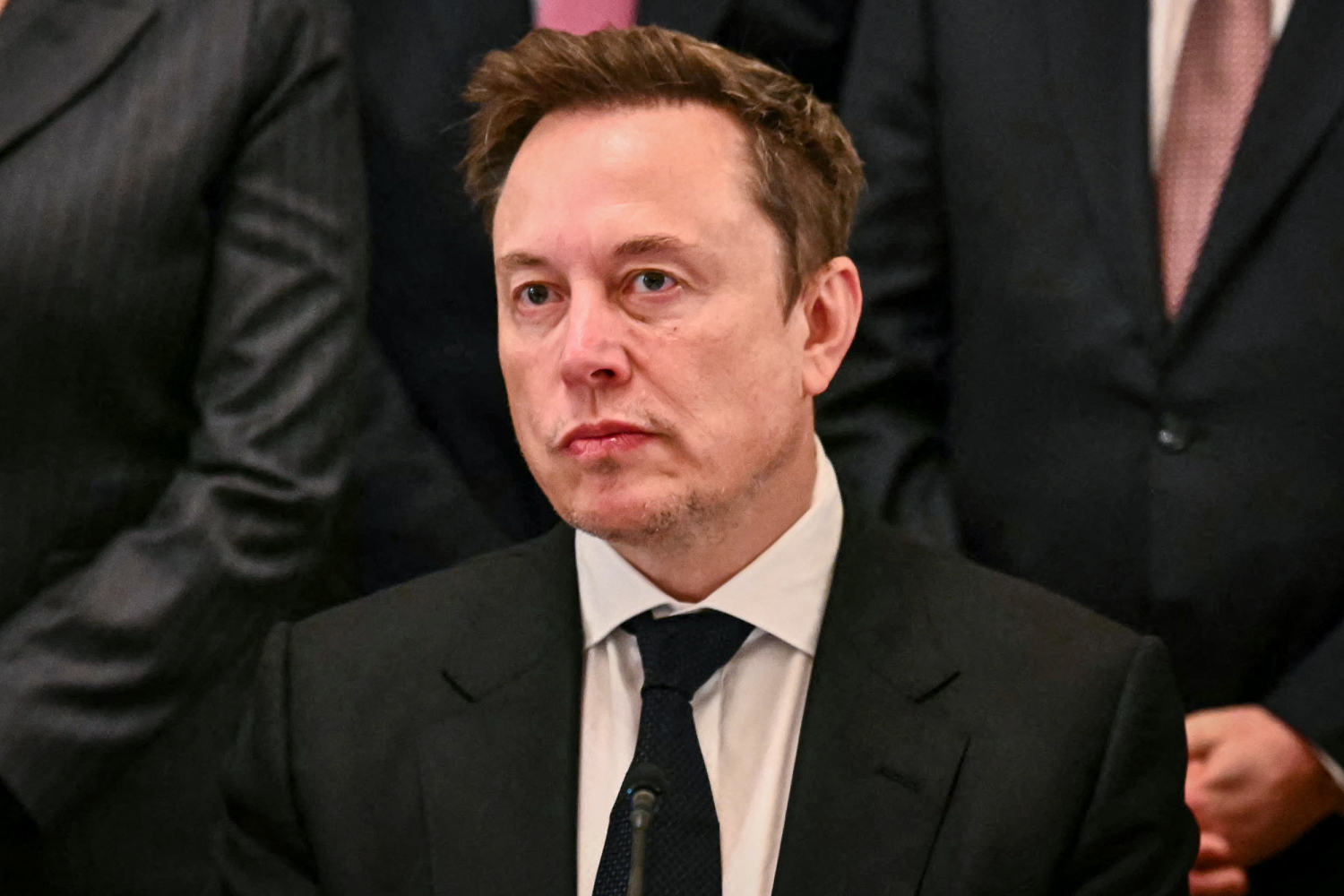
Four hours is a long time to spend staring into the abyss of a tech billionaire's ego. Yet that is precisely what documentarian Alex Gibney demands of audiences in his massive documentary, Musk, which hits theaters in October 2026. Gibney, famous for dismantling institutions and high-profile figures in films like Going Clear, trains his investigative lens on the world's richest man. The result is an exhausting, meticulously cataloged inventory of erratic behavior, broken relationships, and political radicalization. But if you walk out of the theater expecting a profound answer to the unchecked power of the modern trillionaire, you will likely find yourself profoundly dissatisfied.
The documentary covers familiar and terrifying ground. It details how Musk transitioned from a somewhat cautious observer of artificial intelligence into an accelerant of unregulated tech, building chatbots and systems that constantly stroke his own worldview. It charts the familiar casualties: self-driving vehicles crashing into stationary objects, the amplification of xenophobic discourse across global social media networks, and a chaotic descent into partisan politics. Yet, the framing of the film often feels like a missed opportunity. Gibney tries to paint Musk as a moody dilettante rather than a visionary, suggesting that his accomplishments are built on a foundation of intellectual laziness and recreational drug use.
While it feels good to puncture the myth of the modern-day Leonardo da Vinci, this diagnosis misses the point. Treating Musk primarily as an insecure, erratic eccentric lets the broader economic system off the hook. Individuals don't accumulate trillions of dollars and unprecedented geopolitical leverage over satellite communications and public discourse purely through personal whim. They do so because modern capitalist infrastructure hands immense, unchecked power to whoever happens to capture specific choke points in technology and capital.
The Exhausting Length of Cinematic Indignity
At nearly four hours long, Musk tests the limits of viewer endurance. The runtime feels less like a narrative choice and more like an exhaustion tactic. You watch archival clips, hear audio recordings of Musk saying things he probably wishes he could scrub from the internet, and witness the tragic comedy of his family life. There is footage of Grimes, complex romantic entanglements, and the sprawling tally of children born out of a bizarre ideological conviction to populate the earth before a perceived civil war hits.
It is all genuinely horrifying. Watching the film feels less like viewing a standard biographical documentary and more like sitting through a horror movie where the monster happens to control critical global infrastructure. When the film touches on government spending cuts or the integration of military contracts with artificial intelligence platforms like Grok, the stakes become terrifyingly real. These aren't just the eccentric hobbies of a wealthy eccentric; they are systemic choices that impact millions of lives from Washington to developing nations.
Yet the documentary relies on stylistic gimmicks that pull you out of the experience. The use of hand-designed digital avatars to speak in sync with historical audio creates an uncanny valley effect that distracts from the actual horror of the words being spoken. The truth about these systems is already captivating and terrifying on its own. It doesn't need digital tricks to make you uncomfortable.
What the Film Leaves Out
The biggest flaw in Gibney's exhaustive project is its failure to interrogate the collective complicity of the enablers. Musk didn't build SpaceX, Tesla, or his social media empire in a vacuum. Venture capitalists, board members, institutional investors, and government agencies lined up to hand him billions of dollars and regulatory exemptions. They looked the other way during erratic public meltdowns because the stock price kept climbing and the government contracts kept rolling in.
Focusing solely on Musk's psychological flaws ignores the structural rot that allows a single individual to dictate the terms of modern communication and orbital transport. When a person holds the keys to global internet access via Starlink and can sway major elections or geopolitical conflicts on a whim, the problem isn't just one flawed man. The problem is a system that concentrates that much authority in the hands of anyone willing to gamble aggressively enough.
If you already follow tech news closely, much of the ammunition in this documentary will feel familiar. You already know about the broken promises on full self-driving technology. You already know about the chaotic overhaul of the platform formerly known as Twitter. You already know about the political alignments. Therefore, watching the film functions less as an earth-shattering revelation and more as a massive compendium of evidence for your next debate with a stubborn relative over Thanksgiving dinner.
Moving Beyond the Billionaire Myth
The core takeaway shouldn't just be that the richest man on earth is deeply flawed or needy. That is a diagnosis of character, not a solution to a systemic crisis. As automation accelerates and artificial intelligence creeps further into defense and public infrastructure, relying on the moods of unelected billionaires is a dangerous gamble for society.
Instead of waiting for a documentary to give you a neat, satisfying conclusion, look at how dependencies on these private monopolies are built. Support public alternatives, question the concentration of tech platforms, and recognize that unchecked wealth accumulation is fundamentally incompatible with a stable democratic society. The credits may roll after four long hours, but the real test of how we handle this concentration of power is only just beginning.