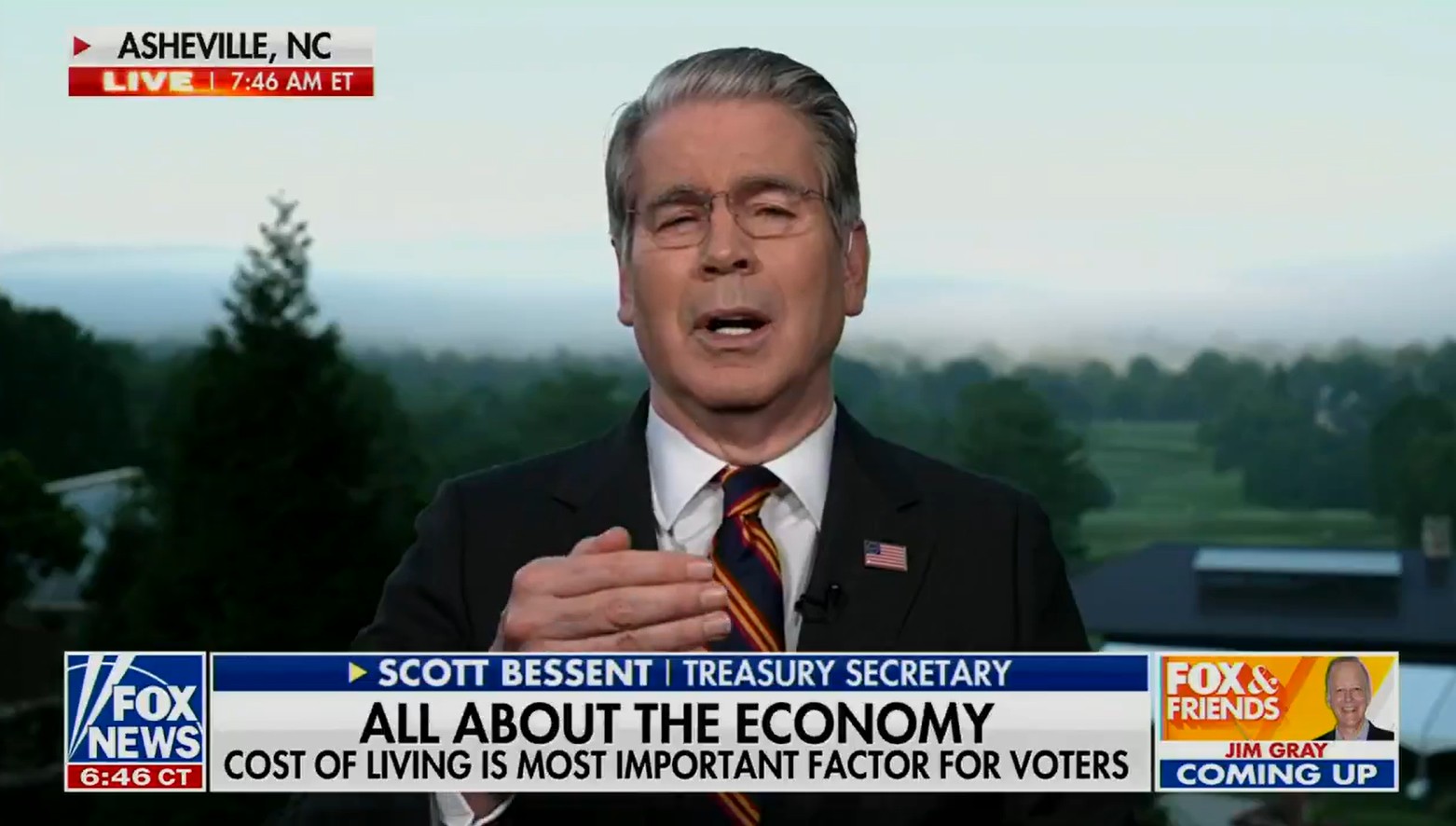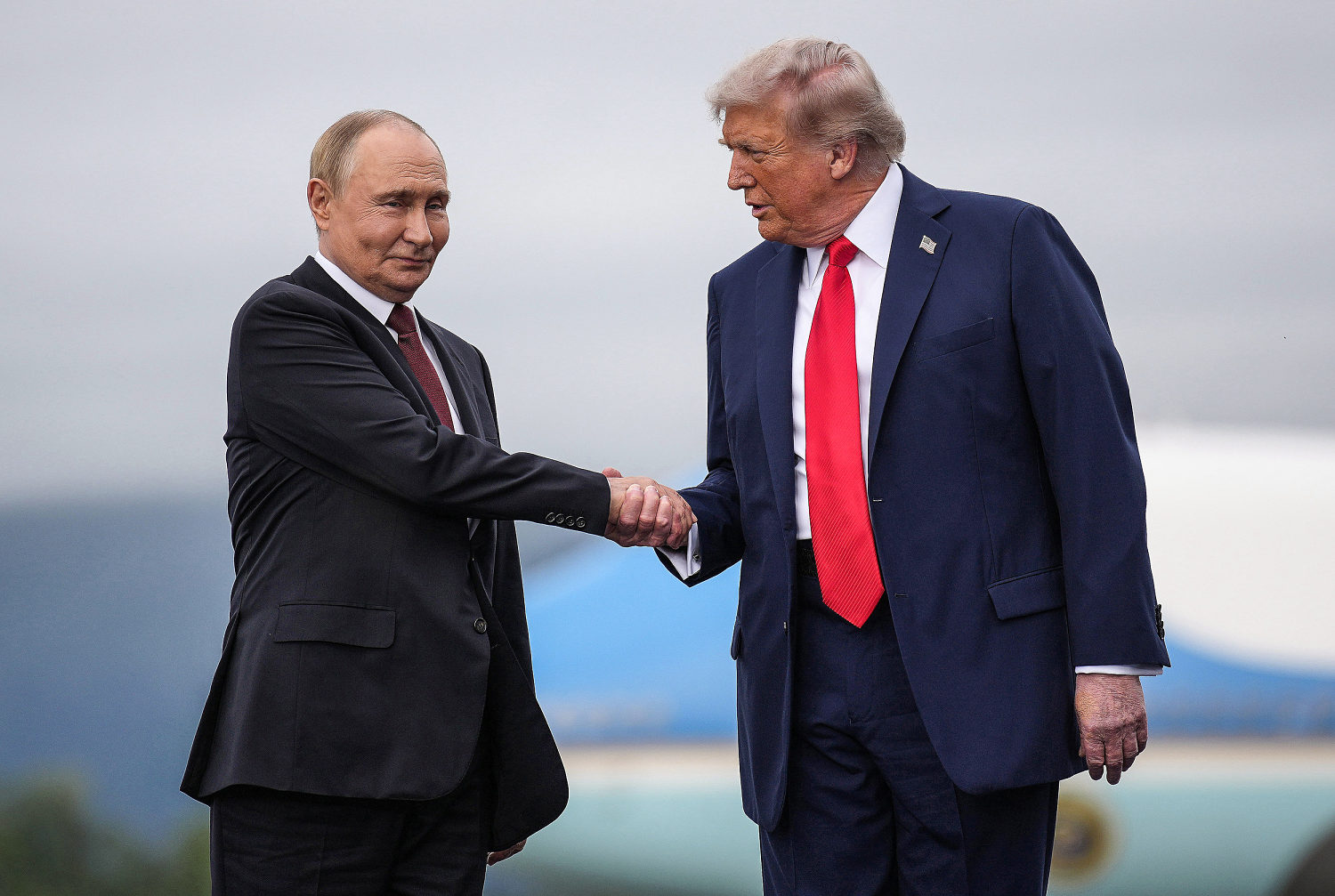
Record-high diesel prices are squeezing truckers, farmers, and everyday consumers to the breaking point. President Trump just announced a major reversal in foreign policy, stating that Russian President Vladimir Putin has agreed to release hundreds of thousands of tons of diesel fuel onto the global market. Simultaneously, the U.S. Treasury Department moved to ease sanctions on Russian petroleum products to let the deal happen.
The political spin is loud. The reality on the ground is far more complicated, and frankly, a lot bleaker for anyone hoping for relief at the pump anytime soon.
The Real Drivers Behind the Diesel Crisis
You cannot understand this announcement without looking at why diesel prices surged past six dollars a gallon in the first place. Global fuel markets are caught in a brutal multi-front squeeze. Ongoing conflicts involving Iran and Russia have battered supply chains. Ukrainian drone strikes have relentlessly targeted Russian oil refineries and storage depots, severely crimping Moscow's domestic refining capacity.
At the same time, American refiners have prioritized high export volumes, leaving domestic stockpiles thin. When production dips while demand for hauling goods remains high, prices skyrocket. Blaming a single factor is lazy analysis. It is a compounding failure of geopolitics and corporate positioning.
Why a Russian Diesel Release Falls Short
Trump claims that releasing over 300,000 metric tons of Russian diesel will quickly cool down hot prices. Energy experts and market analysts aren't buying it.
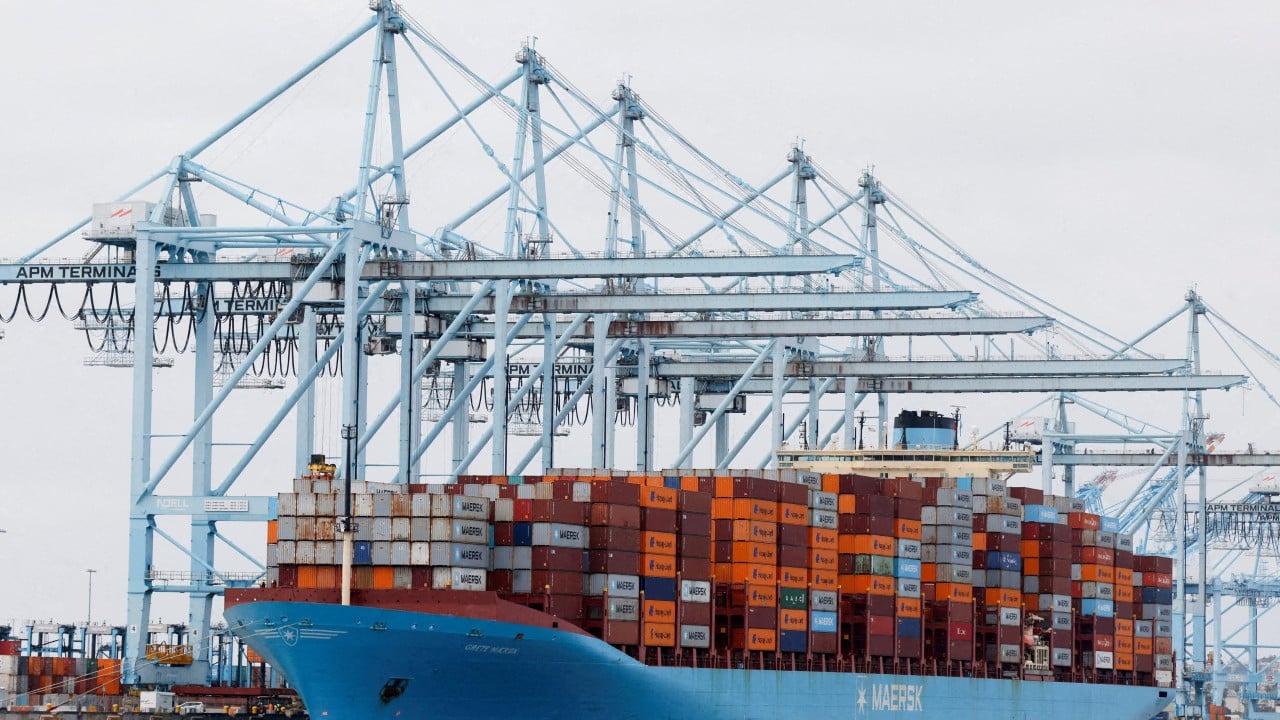
The United States consumes millions of gallons of diesel every single day. A few hundred thousand tons from Russia is a drop in a very large ocean. Shipping that fuel across oceans incurs massive logistics costs and heavy delivery delays. By the time any refined product actually reaches American ports, the logistical hurdles will have swallowed most of the anticipated savings.
More importantly, global oil and diesel pricing is dictated by international benchmarks. A small, conditional injection of Russian fuel into a tight market won't magically reset the underlying mechanics of global supply and demand.
The Geopolitical Fallout
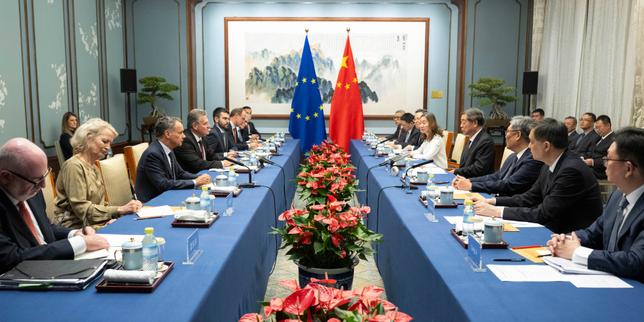
This policy shift creates immediate friction with allies. For months, Washington pressured European nations and international partners to sever ties with Russian energy to choke off Moscow's wartime revenues. Easing these sanctions now signals a jarring reversal.
Ukrainian leadership has already sharply criticized the move. Kyiv views attacks on Russian fuel infrastructure as a vital tactical lever to pressure Moscow. Trump's public demands for Ukraine to halt strikes on Russian diesel facilities in order to protect fuel supplies put a glaring spotlight on the tension between military strategy and domestic political survival. You are watching a high-stakes trade-off where short-term economic pressure at home overrides long-term strategic alignment abroad.
What Truckers and Consumers Should Actually Expect
If you run a fleet or depend on diesel to power agricultural equipment, do not count on these sanctions relief measures to slash your operating costs. Big oil companies and global distributors ultimately dictate what you pay. Even if wholesale prices twitch downward temporarily, retail pump prices rarely reflect macro-level political announcements with any speed.
Focus on practical risk management instead of waiting for political saviors. Lock in fuel contracts where possible, optimize shipping routes to cut idle mileage, and build buffer room into your operational budgets. This diesel crunch isn't going away because of a handshake across oceans.