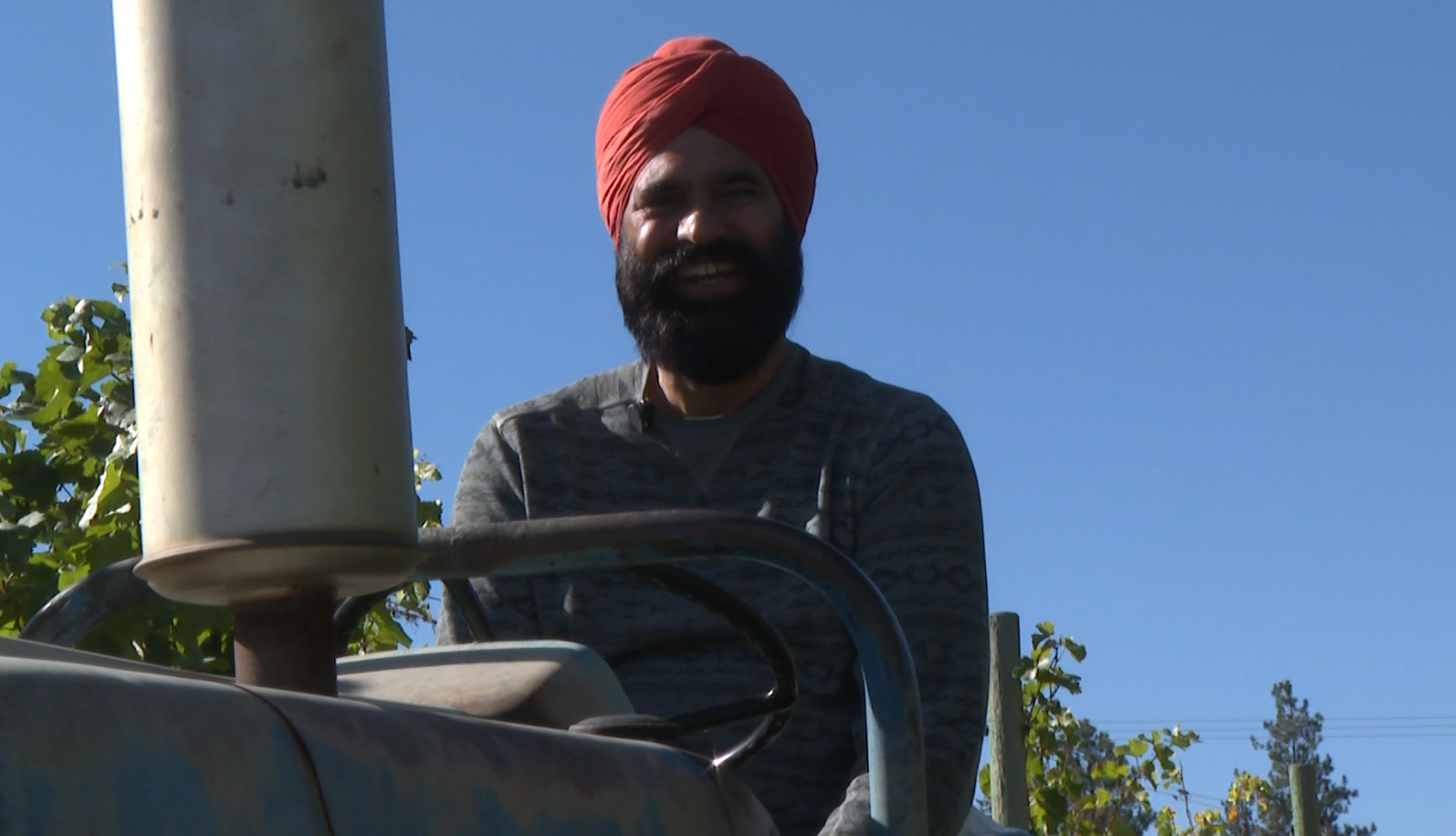
Farming in the Okanagan Valley used to mean dealing with predictable seasons, steady sun, and manageable frost cycles. That predictability is gone. Today, local growers face an unrelenting cycle of extreme heat domes, unexpected winter vortexes, and wildfire smoke that ruins entire harvests before a single grape is even crushed.
When disaster strikes, farmers turn to government-backed production insurance to keep their operations alive. But a deeper structural flaw in how these programs calculate payouts leaves many operators drowning in debt. The system was built for a climate that no longer exists, and it is failing the people who put food and wine on Canadian tables.
The Broken Math of Historical Yields
Standard agricultural insurance relies heavily on historical production averages. If your vineyard produced a normal tonnage of grapes for the past ten years, your coverage reflects that baseline.
What happens when you suffer back-to-back disasters?
Your historical yield drops. The algorithm punishes you for being unlucky. When successive years of extreme weather batter your vines, your coverage baseline shrinks year over year. By the time you desperately need a payout that matches your actual operating expenses, the system treats your depressed output as the new normal.
Jeff Guignard of the BC Wine Growers Association points out the core absurdity: vineyards can look fine from a distance while possessing zero commercial value. Smoke taint is a prime example. Grapes hanging heavy on the vine can absorb volatile phenols from nearby forest fires. They look pristine, but once fermentation begins, the wine tastes like an ashtray. The crop is commercially worthless, yet navigating the bureaucratic hoops of insurance claims often leaves growers eating the loss.
The True Cost of Replanting
Ask veteran growers what hurts most, and they won't just talk about losing a single season's revenue. They will point to the long timeline required to rebuild a destroyed vineyard.
Consider the financial gap: replacing a dead or severely damaged vine might net you ten to twelve dollars from an insurance payout. Yet, buying certified disease-free rootstock, prepping the soil, installing irrigation lines, and nurturing that new plant for three to four years until it reaches fruit-bearing maturity can easily exceed fifty or sixty dollars per vine.
Insurance usually cuts a check for the dead plant. It completely ignores the multi-year income vacuum while that replacement patch sits barren. No grapes mean no revenue, but your bank loans, property taxes, equipment payments, and labor costs don't pause just because the weather destroyed your livelihood.
When Smoke Taint Destroys Contracts and Cash Flow
Wildfires have rewritten the economic reality of the interior. Smoke doesn't just block the sun; it ruins wine profiles. Wineries often have strict contractual clauses allowing them to reject smoke-tainted fruit.
Farmers find themselves trapped in a bureaucratic trap. To claim production insurance on compromised fruit, policies often mandate that growers must harvest and destroy the tainted grapes rather than selling them off for alternative, non-wine uses. That means paying for harvest labor, paying for waste disposal logistics, and receiving pennies on the dollar for a crop you spent months cultivating.
Many small-scale farmers quietly absorb these shocks by working second jobs. They drive cabs, take construction gigs, or run side businesses just to service their farm debt. Farming in the valley has become an expensive hobby subsidized by outside labor, which is completely unsustainable for a multi-billion-dollar regional agricultural economy.
Fixing a Model Built for Yesterday
Producers aren't asking for handouts. They want modern risk modeling that acknowledges reality. Relying on outdated historical averages in an era of climate volatility is a recipe for rural depopulation.
A functional system needs to calculate risk based on current replacement costs and forward-looking climate projections rather than punishing farmers for consecutive years of bad luck. Until provincial programs adapt, growers will continue shouldering the devastating financial weight of a shifting planet alone.