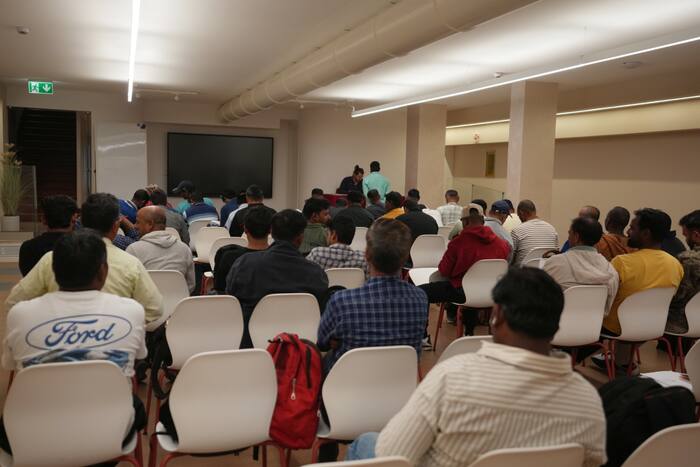
Foreign construction workers building the massive new U.S. consulate compound in Milan have started signing compensation agreements that average 45,000 euros, roughly $50,400, per person. This milestone marks the climax of an aggressive investigation into severe workplace abuses that Italian prosecutors are calling the largest labor exploitation settlement in European history.
More than 60 laborers, primarily from India alongside workers from Nigeria, Kenya, and Bangladesh, queued up inside a Milan hotel conference room to claim their portion of a staggering 31-million-euro (nearly $35 million) agreement reached with Alabama-based contractor Caddell Construction. While the company stated the settlement does not constitute an admission of liability, the financial impact and legal consequences are undeniable. For workers who spent months enduring substandard conditions, the payouts represent a life-changing correction.
The Brutal Reality Behind the Milan Consulate Construction Site
Behind the gleaming architectural plans of a high-profile diplomatic facility lay a grueling underground reality. Prosecutors revealed that vulnerable workers on the site were paid less than $2 an hour. They faced systematic wage theft, including illegal deductions for housing and the outright denial of overtime compensation despite logging grueling 10-hour workdays, six days a week.
Many of these workers fell into a debt trap before they even touched Italian soil. Laborers from India reported paying up to 5,000 euros ($5,600) to predatory recruitment agencies just to secure the jobs. Once on site, they encountered intimidation, threats, and a total lack of medical care when workplace injuries occurred. The Economist has provided coverage on this critical issue in great detail.
Local trade unions were initially barred from accessing the site under the false pretext of diplomatic status. Trifone Radogna, an organizer with the Feneal Uil construction union, noted that inspectors and union reps had never encountered a labor exploitation system on this scale during Milan's extensive two-decade construction boom.
Inside the Record Payout Structure
The sheer scale of the settlement sets a new legal precedent across Europe. Court-appointed administrator Francesco Brigatti pointed out that individual payouts climb as high as 90,000 euros ($101,000) for workers with extensive hours logged.
What makes this settlement unique is the heavy emphasis on punitive damages personally championed by Milan Prosecutor Paolo Storari. The damages component alone accounts for 60 to 70 percent of the total overtime calculation. This aggressive stance dwarfs the customary 10 to 30 percent recovery rates typically seen in similar Italian labor disputes.
Out of the total 31-million-euro package, about 11.2 million euros ($12.5 million) is earmarked directly for Italy’s social security coffers and workplace injury insurance. Furthermore, the agreement ensures that the affected laborers receive secure work permits in Italy, allowing them to remain legally employed outside of the Caddell project.
Accountability and Global Subcontractor Oversight
Caddell Construction remains a prominent contractor handling high-security U.S. embassies and consulates worldwide. Following the raid and subsequent investigation, the Alabama-based firm announced it was fully reviewing its global subcontractors and consultancies to ensure strict labor law compliance.
Meanwhile, the broader criminal investigation remains active. Two managers tied to the project remain under house arrest, facing serious charges of extortion and facilitating illegal immigration. The U.S. State Department has acknowledged the situation, stating it has zero tolerance for illegal activity and is coordinating closely with Italian law enforcement.
Reaching nearly 480 total workers—some still on site, others relocated across Italy, and many returned to their home countries—requires an extensive international effort. Labor lawyers and consultants are relying heavily on word-of-mouth networks and consular assistance to track down and compensate every eligible individual before the February deadline.
Labor exploitation on diplomatic projects damages international reputations and destroys human dignity. This record payout sends a clear warning to global contractors that cutting corners on human rights carries a massive financial and legal cost.